
Cleaner Teeth Are Not Always Whiter Teeth
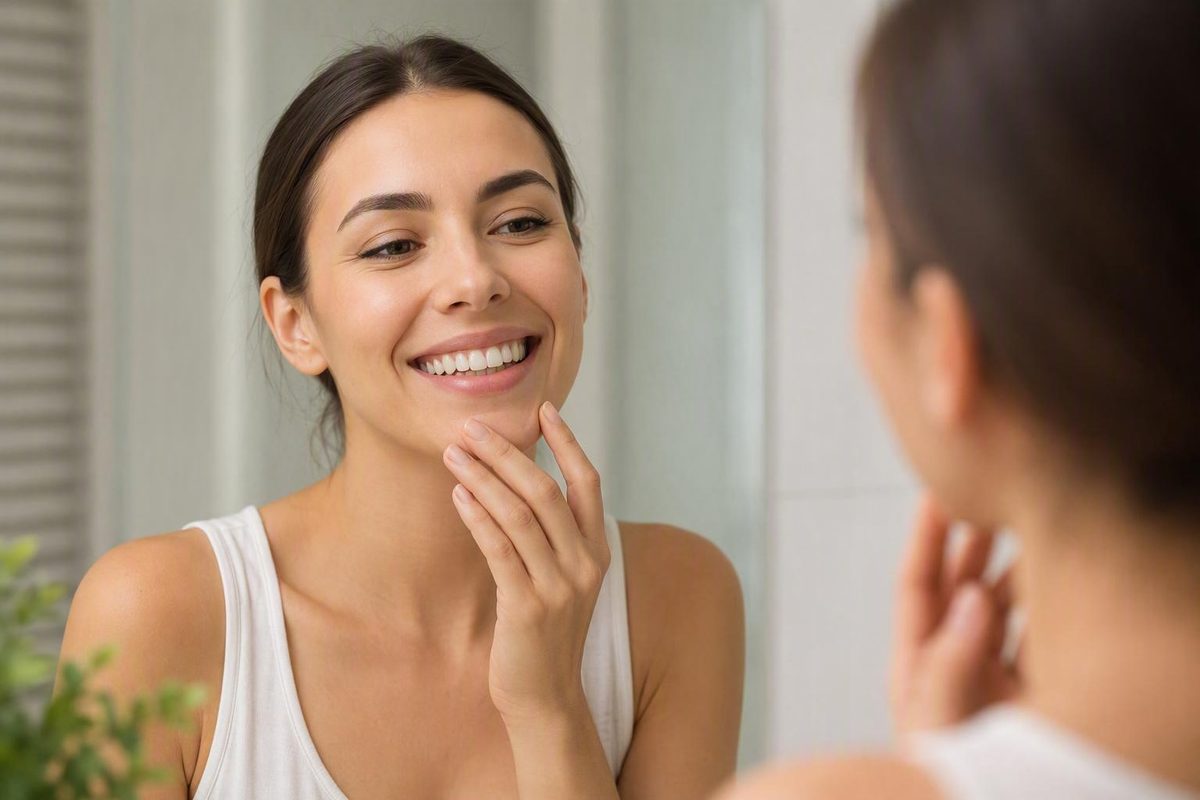
The short answer: better hygiene may brighten teeth, but it may not make them white
If you are wondering whether yellow teeth will naturally become white with better oral hygiene, the most accurate answer is: they may look cleaner or somewhat lighter, but brushing and flossing will not reliably turn every yellow tooth white.
Better cleaning can remove soft plaque and some mild stains from the enamel surface. When that material is responsible for much of the yellow appearance, improving your routine may reveal a brighter-looking tooth. The result depends on the cause and depth of the discoloration, however—not simply on how diligently or frequently you brush.
Brushing and cleaning between the teeth do not change the natural color of dentin, the layer beneath enamel. They also cannot reliably reverse discoloration that developed within a tooth because of aging, tooth development, medication exposure, fluorosis, or injury. These distinctions are commonly described as the difference between discoloration on the surface and color within the tooth structure (overview of surface and intrinsic discoloration).
It helps to separate two goals:
- Oral hygiene controls plaque and supports the health of teeth and gums.
- Tooth whitening refers to any process designed to lighten the color of teeth Teeth Whitening Guide: A Dentist’s Honest Product Recommendations.
The two can overlap, but they are not equivalent. Healthy natural teeth do not have to be bright white. A slightly yellow or off-white shade can reflect the structure and baseline color of the teeth rather than neglect.
There is no universal timeline or promised number of shades. Soft plaque, hardened tartar, coffee stains, naturally visible dentin, and discoloration inside a tooth require different responses. This article provides general information rather than an assessment or diagnosis of your teeth. Decay Guide is an independent reference publisher, not a dental practice.
Why healthy teeth can naturally look yellow
A tooth is not a solid block of opaque white material. Its visible color comes from the interaction between the outer enamel and the dentin beneath it.
Enamel is translucent. Dentin naturally has a yellowish or off-white tone, so some of that color can show through the enamel. If enamel is relatively thin or translucent, the dentin may have a stronger effect on the tooth’s appearance. If enamel is thicker or less translucent, the tooth may look lighter.
Baseline tooth shade also varies from person to person. Genetics can influence enamel thickness and dentin color, which means two people with similarly effective oral-care routines can have visibly different tooth shades. A toothbrush can clean their enamel, but it cannot make their underlying tooth anatomy identical.
Age can shift this balance. As enamel wears and becomes thinner, more dentin may become visible. Teeth can therefore look progressively yellower even when plaque is well controlled. Dental educational guidance describes natural tooth color as a combination of translucent enamel, yellowish dentin, genetic variation, and age-related enamel wear.
None of this means that every yellow tooth is healthy. Color alone cannot show whether a person has harmless natural variation, surface deposits, enamel wear, decay, or an internal change related to trauma. A longstanding, relatively even off-white shade is different from one tooth suddenly darkening or a new patch appearing with pain or sensitivity.
The practical limit is simple: brushing removes material sitting on an accessible surface. It does not turn naturally yellow dentin white, rebuild lost enamel, or reverse every change occurring inside the tooth.
A cause-to-response guide for yellow teeth
“Yellow teeth” describes an appearance, not a single condition. Several causes can also overlap—for example, naturally off-white teeth may develop both tartar and coffee staining.
The descriptions below are educational, not a home diagnostic test. Texture, location, or color alone cannot reliably identify the cause.
| Possible cause | Possible pattern in general terms | What better hygiene may accomplish | Appropriate next step |
|---|---|---|---|
| Soft plaque | A film or buildup, often more noticeable near the gumline or in areas that are difficult to clean | Brushing and interdental cleaning may reduce the buildup and reveal a cleaner surface | Improve gentle daily cleaning; seek an assessment if the appearance persists or the gums are inflamed |
| Tartar, or hardened plaque | Yellow, tan, or brown deposits that remain after brushing and may feel rough | Home care can limit further plaque accumulation but generally will not remove an existing hardened deposit | Arrange a professional cleaning rather than attempting to remove it through harder scrubbing |
| External stains | Gradual discoloration associated with coffee, tea, red wine, dark drinks or foods, or tobacco | May remove some mild surface staining and reduce new accumulation | Reduce exposure, rinse with water, consider an appropriate stain-removing toothpaste, or ask about professional cleaning |
| Natural dentin color | A longstanding, generally even off-white or yellowish shade | Keeps the surface and gums cleaner but does not change the underlying baseline shade | No cosmetic treatment is required; discuss bleaching only if a color change is personally desired |
| Age-related yellowing or enamel wear | Gradual yellowing as more underlying dentin becomes visible | Supports oral health but cannot restore enamel thickness or alter dentin color | Consider an evaluation if there is sensitivity or suspected wear; cosmetic options depend on the cause |
| Intrinsic or developmental discoloration | Color may differ from neighboring teeth or appear patchy, banded, gray-blue, or brown | Prevents additional surface buildup but does not remove color within the tooth | Obtain a professional assessment before choosing bleaching or cosmetic coverage |
| Trauma-related change | One tooth may darken or change relative to surrounding teeth, sometimes after an injury | Routine hygiene will not correct an internal color change | Arrange an evaluation, particularly if the change is new or accompanied by pain or sensitivity |
| Decay or another dental problem | A localized, worsening, rough, sensitive, painful, or otherwise unusual change | Cleaning supports prevention but is not a substitute for diagnosis or treatment | Seek a dental assessment rather than trying to whiten the area |
Plaque and tartar are not the same
Plaque is soft buildup that can be disrupted through brushing and interdental cleaning. If a yellow-looking film is caused mainly by plaque, the surface may improve as previously missed areas are cleaned consistently.
Plaque can mineralize into tartar, which may look yellow or brown and remain despite brushing. Oral-B’s educational guidance distinguishes removable plaque from hardened tartar that generally requires professional removal. Brushing harder does not turn an established hard deposit back into soft plaque.
External stains sit on the surface
Coffee, tea, red wine, dark soda, pigmented foods, and tobacco can contribute to external staining. Better hygiene may remove some mild surface discoloration and help prevent further buildup. Professional cleaning may remove more persistent external material.
That does not mean every stain will disappear with brushing. If discoloration remains despite consistent cleaning, the cause may not be a removable deposit—or several causes may be present at once.
Natural and age-related color comes from the tooth itself
When dentin is responsible for the visible shade, cleaning can reveal the natural color but cannot replace it with a different one. The same limit applies when enamel wear makes dentin more visible.
Ordinary hygiene remains important. Its role in this situation is to protect oral health and prevent additional buildup, not to bleach the underlying tooth.
Intrinsic discoloration develops within tooth structure
Intrinsic discoloration can be associated with tetracycline exposure while teeth were developing, excessive fluoride exposure during development, or dental trauma. These changes are distinct from external stains caused by foods, drinks, or tobacco, and they may respond poorly or inconsistently to surface cleaning or bleaching (guide to extrinsic and intrinsic discoloration).
It is difficult to distinguish all possible causes from a mirror or photograph. Localized, sudden, patchy, or symptomatic discoloration is particularly unsuitable for self-diagnosis.
What better oral hygiene can—and cannot—do
A sound oral-care routine has substantial value even when it does not create a dramatically whiter smile. Its principal cosmetic benefit is removing or limiting material that does not belong on the tooth surface.
In general, gentle brushing twice daily with fluoride toothpaste and daily flossing or another suitable method of cleaning between the teeth can:
- Disrupt soft plaque.
- Clean areas that a toothbrush may not reach well.
- Remove some recent external staining.
- Limit additional plaque and stain accumulation.
- Reveal the tooth’s cleaner, natural shade.
That final point is the realistic expectation: better hygiene may uncover your natural shade rather than create a new bright-white shade.
Brushing cannot safely or reliably:
- Remove established tartar.
- Rebuild thinned or eroded enamel.
- Change the natural color of dentin.
- Correct developmental discoloration.
- Reverse an internal color change caused by trauma.
- Make restorations respond like natural enamel.
Professional cleaning is an extension of deposit control, not another name for bleaching. A dental professional can remove tartar, plaque, and some external stains that remain despite home care. Cleaning does not chemically bleach natural tooth structure, so a naturally yellow or age-related shade may remain after deposits are removed. Commercial oral-health guidance likewise separates natural tooth color and visible dentin from tartar and external staining.
More force is not a substitute for bleaching. Aggressive or highly abrasive cleaning may contribute to surface wear or sensitivity without changing the underlying source of the color.
There is also no meaningful universal deadline by which improved hygiene “should” make teeth whiter. A surface may look different as removable plaque is controlled. If the color comes primarily from dentin, enamel wear, or an intrinsic change, waiting longer and brushing more forcefully will not change that mechanism.
A safe first-step routine for cleaner teeth and fewer new stains
Before buying a whitening product, establish a routine that supports oral health and limits new surface discoloration.
-
Brush gently twice a day with fluoride toothpaste. Use light pressure and clean all accessible surfaces instead of repeatedly attacking only the most visible teeth.
-
Clean between the teeth daily. Floss is one option. Another interdental method may be more suitable depending on spacing, dexterity, dental work, or professional recommendations.
-
Rinse with water after staining foods or drinks. Coffee, tea, red wine, dark soda, and other pigmented foods or drinks can contribute to surface discoloration. Water does not bleach teeth, but rinsing is a non-abrasive way to clear some residue.
-
Reduce or avoid tobacco exposure. Tobacco can contribute to yellow or brown external staining and continued stain accumulation.
-
Do not keep scrubbing a deposit that remains hard or rough. It may require professional cleaning rather than more pressure at home.
-
Maintain dental care appropriate to your needs. A professional cleaning can remove deposits that home care cannot. An examination can also help distinguish cosmetic staining from a change that needs attention.
Dental-practice guidance supports this basic combination of twice-daily fluoride brushing, daily flossing, rinsing after staining exposures, and professional care when needed. These are maintenance steps, not a promise that every tooth will become white.
Claims about oil pulling, crunchy produce, or other “natural whitening” methods should not distract from the central distinction. The supplied evidence does not establish these practices as substitutes for routine plaque control, professional tartar removal, or bleaching when a true cosmetic color change is desired.
If cleaning is not enough: match the option to the kind of discoloration
If teeth remain yellow after consistent hygiene and any necessary professional cleaning, the next step depends on what remains: an external stain, natural tooth color, intrinsic discoloration, or a visible restoration.
Suitability for whitening can also depend on oral health, sensitivity, exposed roots, existing restorations, and the suspected cause of the discoloration. The following ladder explains the roles of different options without prescribing one for an individual.
1. Ordinary oral hygiene
Purpose: Remove soft plaque, limit new buildup, and support the teeth and gums.
Best fit: Plaque-related film and stain prevention.
Limit: It does not bleach enamel or dentin.
Hygiene remains the foundation whether or not someone chooses cosmetic treatment. Whitening cannot replace plaque control.
2. Professional cleaning
Purpose: Remove plaque, hardened tartar, and some external stains.
Best fit: Persistent deposits and surface discoloration that home care has not removed.
Limit: It cleans the existing surface rather than bleaching the natural tooth shade.
A cleaning may make a meaningful visible difference when buildup is the main cause. If clean teeth still look evenly yellow, their underlying color may be responsible.
3. Whitening toothpaste
Purpose: Polish away or help remove external stains.
Best fit: Mild surface staining from foods, drinks, or tobacco.
Limit: It generally does not substantially change the natural color of dentin or correct deep intrinsic discoloration.
Whitening toothpaste and peroxide bleaching are therefore not interchangeable. A stain-removing toothpaste should be used as directed. If it produces persistent discomfort or sensitivity, stop experimenting and ask a dental professional for guidance.
4. Peroxide-based bleaching
Purpose: Chemically lighten eligible natural tooth structure rather than merely cleaning its surface.
Best fit: A desired cosmetic change after considering the type of discoloration and the condition of the mouth.
Limit: Results vary. Some intrinsic stains respond poorly, and sensitivity or gum irritation can occur.
The supplied evidence does not justify declaring every in-office, dentist-prescribed, or over-the-counter approach categorically safest or most effective for everyone. Deep, gray-blue, developmental, medication-related, or trauma-related discoloration is a reason to seek an assessment before repeatedly applying an external whitener.
5. Cosmetic coverage
Purpose: Conceal discoloration when bleaching is unsuitable, insufficient, or not desired.
Options: Bonding places tooth-colored material over an area, while veneers cover the visible front surface of selected teeth.
Limit: These options cover discoloration rather than whitening the underlying tooth structure. They also involve individualized considerations concerning maintenance, cost, and treatment of the tooth.
Account for dental work before whitening
Crowns, fillings, veneers, implants, bridges, and other restorations should not be expected to lighten like natural enamel. Exposed roots and other non-enamel surfaces may also respond differently. Whitening nearby natural teeth can therefore create or increase a visible color mismatch; bleaching guidance specifically notes that restorations do not respond like natural tooth structure.
This does not mean sound dental work should be replaced solely for cosmetic reasons. It means visible restorations should be considered before whitening begins.
Possible cavities, gum disease, marked sensitivity, or unexplained tooth changes also make individual assessment important before elective whitening. Color alone cannot establish whether bleaching is appropriate.
Avoid damaging shortcuts and know when discoloration needs evaluation
The urge to scrub away yellow color can be counterproductive. Removing some surface stain is not a worthwhile trade if the approach also wears or weakens the protective surface.
Avoid lemon juice and other acidic whitening mixtures. Acid can weaken or erode enamel rather than safely bleach the tooth. As enamel is lost, more yellow dentin may become visible.
Activated charcoal and aggressive abrasive use also deserve caution. Abrasion may remove some surface stain, but excessive wear can contribute to sensitivity and thinning of the visible enamel. Dental-practice guidance on home whitening specifically warns about acidic lemon mixtures and abrasive charcoal.
Do not improvise peroxide or baking-soda recipes. This article cannot determine an appropriate concentration, frequency, or method for an individual mouth, and homemade formulas do not account for existing sensitivity, exposed roots, restorations, or oral disease.
Commercial whitening products can also cause sensitivity or gum irritation, particularly when overused or used improperly. Follow product directions rather than increasing the amount or exposure time in pursuit of a faster result.
When color should be evaluated
Arrange a dental evaluation instead of relying on cosmetic self-treatment if you notice:
- One tooth suddenly changing color.
- A tooth darkening after an injury.
- Patchy, localized, or worsening discoloration.
- Pain or new sensitivity.
- A rough area that does not brush away.
- Red, swollen, or bleeding gums alongside the discoloration.
- A change substantially different from your longstanding natural shade.
These signs do not prove decay, internal injury, enamel loss, or gum disease. They do mean that appearance alone is not enough information to choose a safe response. Guidance on tooth discoloration similarly identifies sudden changes accompanied by pain, sensitivity, or other symptoms as a reason for professional attention.
Frequently asked questions
How long does it take for better hygiene to make yellow teeth look whiter?
There is no reliable universal timeline. If soft plaque or mild removable staining is contributing to the appearance, the surface may look cleaner as that buildup is brought under control. If the shade comes from dentin, enamel thinning, or discoloration within the tooth, additional weeks of brushing will not make the underlying cause white.
The type and depth of discoloration determine whether ordinary hygiene can make a visible difference (cause-dependent limits of home cleaning).
Will a professional cleaning remove the yellow color?
It may remove plaque, tartar, and some external yellow or brown stains. It will not bleach naturally yellow dentin or reliably change discoloration located within the tooth.
The result depends on what the cleaning removes. Teeth may look noticeably brighter when deposits were the main cause, or simply cleaner while retaining their natural off-white shade.
Can naturally yellow teeth still be healthy?
Yes. Translucent enamel can allow naturally yellowish or off-white dentin to show through, and baseline shade varies among people. A slight yellow tint is not, by itself, proof of poor hygiene.
Color also cannot prove that a tooth is healthy. One dark tooth, a sudden change, roughness, pain, sensitivity, or gum symptoms should be assessed rather than classified from appearance alone.
Does whitening toothpaste change the natural color of teeth?
Its principal role is generally to polish away or help remove external stains. That may make the surface look brighter, but it does not substantially change naturally yellow dentin or most deep intrinsic discoloration.
Peroxide bleaching is a different process because it chemically lightens natural tooth structure, although the response still varies with the type of discoloration.
Will whitening change the color of fillings, crowns, veneers, or implants?
Do not expect these materials to whiten like natural enamel. The same concern applies to bridges and other visible restorations, while exposed roots and non-enamel surfaces may respond differently from the crown of a natural tooth.
If surrounding teeth become lighter, existing dental work may look mismatched. Whitening guidance therefore recommends accounting for fillings, implants, bridges, and natural tooth color before pursuing a cosmetic change.
Better hygiene is worthwhile because it controls plaque, limits new stains, and supports oral health—not because it guarantees bright-white teeth. If removable buildup causes much of the yellow appearance, consistent home care and professional cleaning may make a visible difference. If the color comes from dentin, aging, enamel wear, tooth development, medication exposure, trauma, or another internal source, brushing will not change that underlying cause.
When the teeth and gums are otherwise healthy, cosmetic whitening is optional. The sensible approach is to match the method to the likely cause, avoid acidic and abrasive shortcuts, account for sensitivity and restorations, and seek an evaluation when discoloration is sudden, localized, painful, or worsening.