
Brushing After Whitening Strips Is Usually Optional
You can usually brush gently after whitening strips, but it is not required. Follow the product label and pause whitening if sensitivity develops.
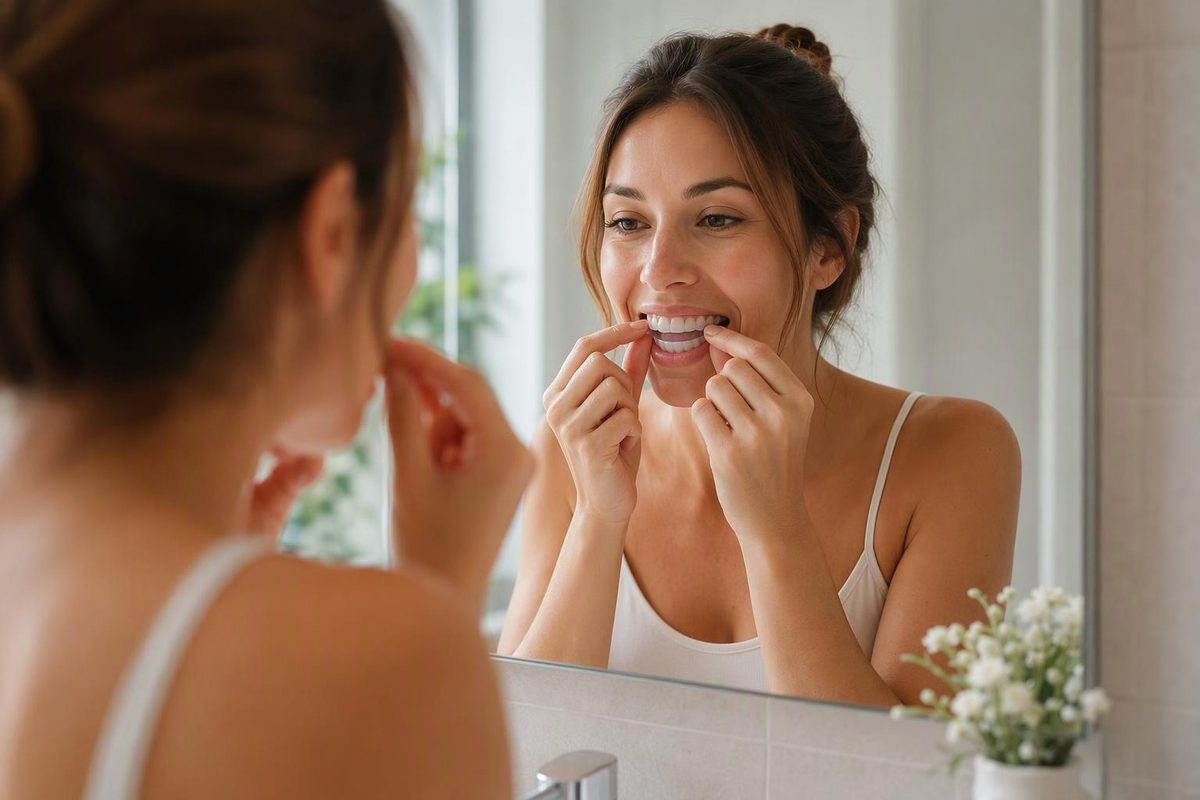
You can usually brush gently after removing whitening strips, but you do not have to brush just because you used them. Check the directions for your specific product first. If they do not require brushing, rinsing away any leftover gel with water is a reasonable alternative.
There is no universal rule that everyone must wait 30 minutes after using whitening strips. Guidance differs by product. Crest says its Whitestrips users may brush gently immediately afterward, and that residual gel can be rinsed, wiped or brushed away—or left to dissolve (Crest brushing guidance, Crest gel-removal guidance). Colgate likewise describes brushing afterward as generally safe but optional and advises checking the manufacturer’s instructions (Colgate).
A simple routine after removing the strips
- Take the strips off at the stated time. Do not leave them on longer than the label directs.
- Follow the package’s post-use instructions. Depending on the product, that may mean rinsing, brushing or simply allowing a small amount of gel to dissolve.
- If you brush, be gentle. Use a soft-bristled toothbrush and light pressure. If your teeth or gums feel tender, rinsing with water and brushing later may be more comfortable.
- Continue your normal oral-hygiene routine. Whitening changes tooth color; it does not replace plaque removal, cleaning between the teeth or fluoride toothpaste.
Peroxide-based strips whiten through a chemical bleaching process. Brushing mainly removes plaque, debris and some external surface stains, so brushing afterward does not activate or “seal in” the whitening treatment. The American Dental Association explains that the common bleaching ingredients are hydrogen peroxide and carbamide peroxide, while whitening toothpastes mainly work on surface stains through abrasives (ADA).
Avoid scrubbing harder or using an especially abrasive stain-removing toothpaste in an attempt to improve the result. Laboratory research on bleaching and tooth surfaces has produced mixed findings, and one review found that abrasive toothpastes increased enamel roughness in some experiments. However, that review found no clinically significant erosion or abrasion overall from low-concentration at-home peroxide bleaching and noted that more clinical trials were needed (review in Clinical, Cosmetic and Investigational Dentistry). The practical point is restraint rather than alarm: use the strips as directed and brush gently.
What about brushing before whitening strips?
The label should also guide the timing before treatment. Brushing can remove food and plaque, but applying peroxide strips immediately afterward may irritate freshly brushed gums. Crest specifically advises allowing some time between brushing and applying its strips rather than brushing immediately beforehand (Crest). If another manufacturer specifies a particular interval, use that interval.
A practical approach is to brush earlier, allow your mouth to settle, and then apply the strips for the instructed period. Avoid adding forceful or unnecessary brushing before and after every treatment.
If sensitivity or gum irritation starts
Peroxide can pass through enamel into dentin, the tissue beneath it, and irritate the tooth’s nerve. The ADA says whitening-related sensitivity is usually temporary and suggests delaying further treatment before trying again. It also warns that overusing whiteners can damage enamel or gums (ADA MouthHealthy). See how to judge sensitivity after whitening and why overuse matters for more detail.
Stop whitening and seek dental advice if pain is severe, worsening, persists after you stop treatment or remains concentrated in one tooth. Marked gum burning, swelling or sores also warrant advice. Pain in one particular tooth may have another cause that whitening cannot address.
Bottom line: brushing gently after whitening strips is usually safe but optional. Follow the product’s directions; if your mouth feels irritated, rinse away the residue and wait until brushing is comfortable.