
When Dental Advice Contradicts Itself: Risk and Evidence
"Weak" flossing evidence came from small, short, poorly controlled trials, not trials showing it failed. Brushing advice splits by the dominant risk.
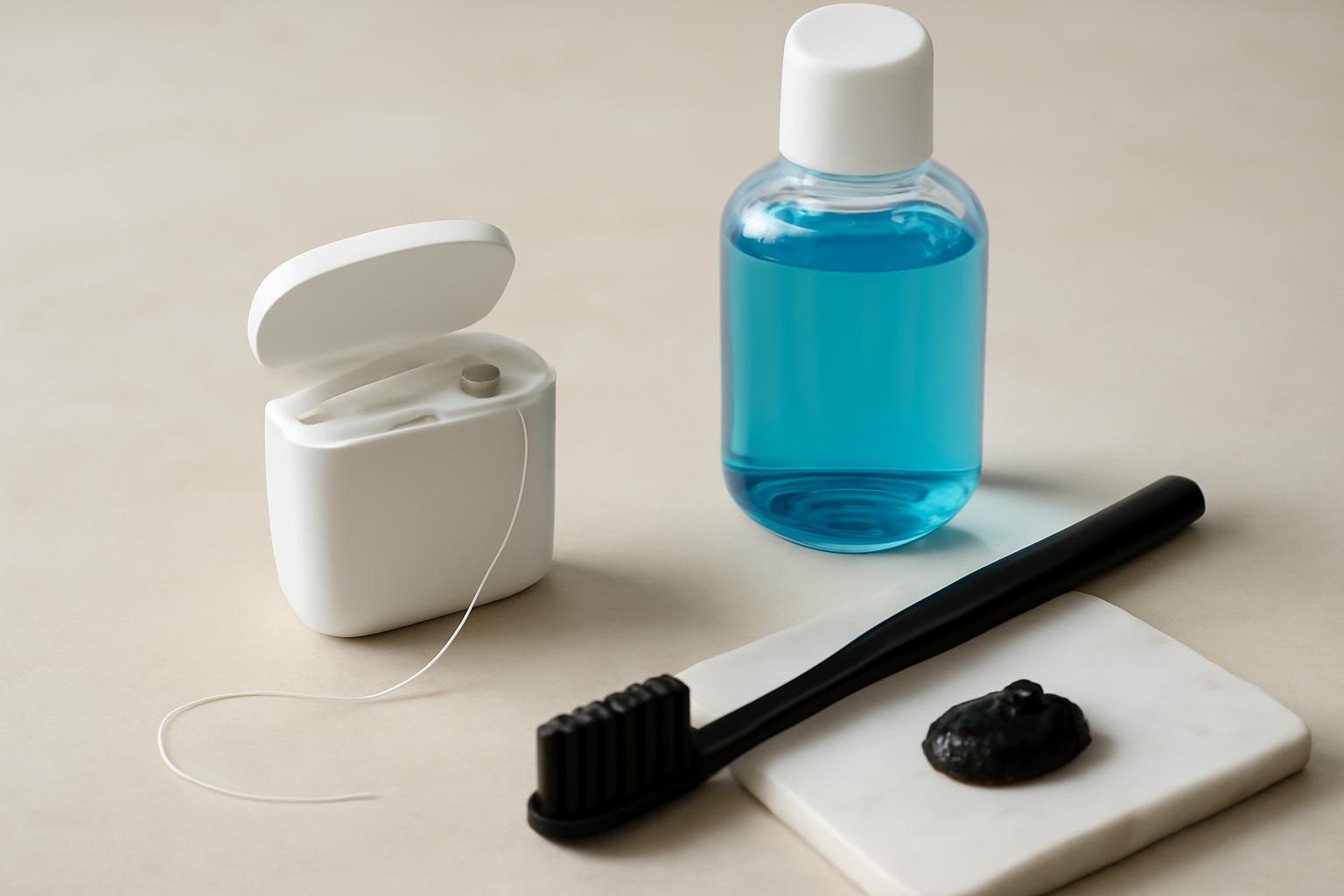
Dental advice is unusually prone to reversal. Floss was mandatory, then “the evidence is weak”, then mandatory again. You are told to brush after meals and also to wait half an hour. Charcoal is either whitening or abrasive, depending which shelf you read.
Most of this is not contradiction. It is different questions being answered as though they were one.
“Weak evidence” usually means hard to study
The flossing example is instructive. The 2016 wave of “flossing doesn’t work” coverage came from reviews finding the trials were small, short and poorly controlled — not from trials finding floss ineffective.
Absence of good evidence is not evidence of absence. For something cheap, low-risk and mechanically sensible, weak evidence is a reason to keep doing it, not to stop.
Two pieces of advice can both be right for different people
“Brush after meals” is aimed at people who otherwise would not brush. “Wait after acidic food or drink” is aimed at people with erosion, whose softened enamel is vulnerable to abrasion.
Neither is wrong. They are addressing different dominant risks, and generic advice cannot tell you which one is yours. That is what a clinician’s read of your actual mouth is for.
Marketing borrows the vocabulary of evidence
“Clinically proven” is not a regulated claim in most places, and “proven” against what comparator, over what period, is usually unstated. Whitening in particular is full of true-but-useless claims: a product can genuinely remove surface stain and do nothing whatever to intrinsic colour.
Charcoal is the clearest case — abrasive enough to remove stain, and abrasive on enamel, which does not grow back.
A test that works
Ask what the claim would look like if it were false. “Removes surface stains” is testable. “Detoxifies” is not, because there is no state of affairs that would contradict it.
Advice that cannot be wrong is not evidence — it is copy.
Decay Guide publishes general information about dental health. It is not a dental practice and does not diagnose or treat. Discuss your own care with a qualified dentist.