
The Hidden Damage Acidic Drinks Do to Your Enamel – And Everyday Ways to Limit It
Each sip can restart the acidic challenge before saliva buffers the last. Shorten drinking windows, rinse with water and avoid brushing immediately afterward.
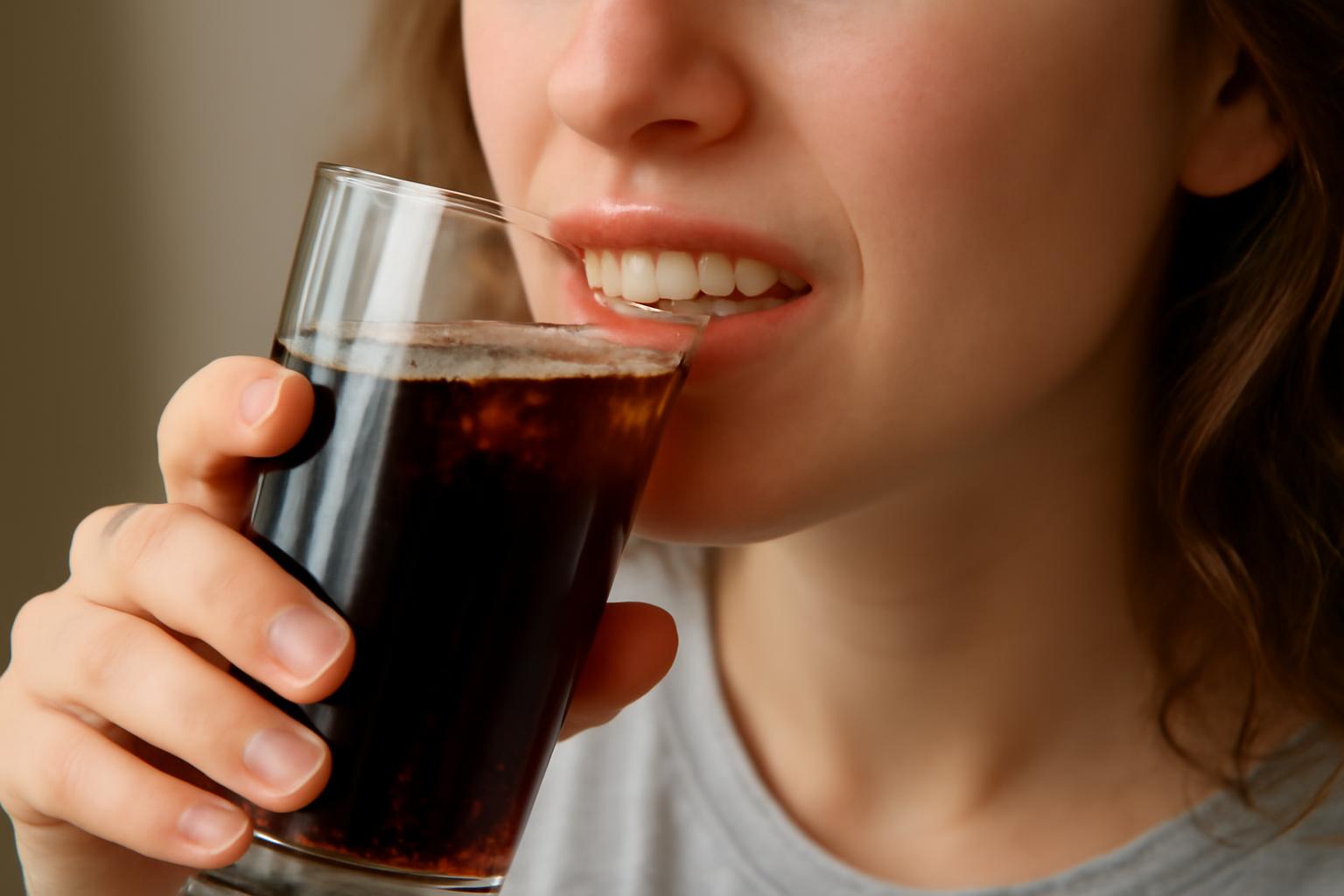
If you brush consistently, avoid the obvious junk, and still notice sensitivity or a duller, yellower look to your teeth, the problem may not be poor hygiene. One possible explanation is enamel erosion from acidic drinks.
That matters because erosion is not the same thing as the plaque-and-bacteria story most people hear about cavities. With erosion, the damage comes from direct chemical contact between acid and tooth structure, and it can happen even in people who brush well. If you have ever wondered why better brushing sometimes does not solve this kind of wear, our explainer on what daily brushing cannot fix covers that mismatch.
The reassuring part is that this is not an all-or-nothing issue. Risk is shaped not just by what you drink, but by how often you drink it, how long it stays in contact with your teeth, whether you sip it over time, and what you do right afterward.
So the practical goal is not perfection. It is understanding the mechanism well enough to reduce repeated acid exposure before it turns into permanent wear.
What Is Enamel Erosion?
Enamel erosion is the chemical loss of tooth structure from acids that do not come from plaque bacteria. The American Dental Association defines dental erosion as acid dissolution of dental hard tissue from non-bacterial acids, including dietary sources such as soft drinks and fruit juices. That is why erosion can occur even when someone has decent brushing habits and little visible plaque buildup. American Dental Association
In plain terms, acids dissolve mineral out of the tooth’s hard outer layer. At first, the surface may only soften. With repeated exposure, that softened surface can be worn away, leaving real loss of enamel structure behind. This is different from a scrape on skin or a minor irritation elsewhere in the body; enamel is not living tissue in the same sense, so once true surface loss has happened, the original enamel layer does not simply grow back.
That distinction helps explain a common misunderstanding. People often assume every dental problem is really a brushing problem. But erosion does not require neglect. No plaque film is needed for the process to start. A person can be careful about brushing and still wear enamel down by exposing teeth to acids over and over through soda, sports drinks, energy drinks, juice, or other acidic beverages.
It is also useful to separate softening from loss. Teeth are exposed to acids all the time, and saliva can sometimes help the surface recover from very early demineralization. But once that surface has actually been dissolved away or brushed and worn off while softened, the change is permanent. That is why early habits matter so much more than most people realize.
How Acidic Drinks Cause Enamel Erosion
Acidic drinks damage enamel through demineralization. Research and dental guidance commonly describe enamel dissolution beginning around the mid-5s, and many familiar drinks sit far below that range. In one peer-reviewed paper, enamel demineralization was discussed around pH 5.6 to 5.7, with example beverages including cola at pH 2.2, a sports drink at 3.3, and orange juice at 3.7. Peer-reviewed study
That is why “sugar-free” does not automatically mean “enamel-safe.” Sugar matters a great deal for cavities, but acidity matters for erosion. Carbonation contributes acidity, and many drinks also contain added acids such as citric acid, sodium citrate, or phosphoric acid, all of which public-health guidance on dental erosion flags as potentially harmful to teeth. Better Health Channel
The next piece is exposure pattern. A drink consumed quickly with a meal is not the same as the same drink sipped over an hour, swished around the mouth, or carried all afternoon. Each sip can restart the acidic challenge before saliva has had time to buffer the last one. That repeated bathing of the teeth is what turns a single acidic exposure into a wear pattern.
It is tempting to treat erosion as a simple pH ranking problem, but the evidence is more complicated than that. In an extracted-tooth laboratory study of popular U.S. beverages, acidic drinks did produce enamel and root erosion, yet lesion depth did not line up neatly with pH or titratable acidity alone. That suggests real-world damage depends on more than one number; formulation, contact time, saliva, oral clearance, and how the drink is consumed all seem to matter. In vitro tooth-erosion study
So the short version is this: acidic drinks erode enamel because they dissolve tooth mineral directly, and frequent or prolonged exposure gives them more opportunity to do it. Sugar can worsen the overall dental picture, but it is not required for erosion to begin.
Common Acidic Drinks That Erode Enamel
The drink categories that show up most consistently in dental guidance are soft drinks, diet soft drinks, sports drinks, energy drinks, and citrus or other fruit juices. ADA consumer guidance specifically points to soda and sports drinks as major erosion culprits and notes that even all-natural drinks such as orange juice are more acidic than water.
That means “natural” is not the same thing as “tooth-friendly.” A 100% juice can still be acidic enough to wear enamel. The same goes for drinks marketed as athletic, hydrating, vitamin-packed, or refreshing. From an enamel standpoint, the key question is not whether the label sounds wholesome. It is whether the drink keeps coating teeth in acid.
Soft drinks deserve extra attention because people often assume the problem is only sugar. For cavities, sugar is a major issue. For erosion, diet versions can still matter because the acid is still there.
That broader list is fair, but the strongest and most repeated warnings tend to focus on sodas, sports drinks, energy drinks, and fruit juices. If someone is trying to reduce enamel erosion from drinks without overhauling their whole diet, those are the most practical places to start.
This does not mean every occasional soda or glass of juice will visibly damage teeth on the spot. The bigger risk is cumulative: daily use, long sipping windows, and multiple acidic exposures spread across the day.
Signs and Symptoms of Enamel Erosion
As enamel thins and the inner dentin becomes easier to stimulate, teeth may react more sharply to cold water, hot drinks, sweets, or even air. Other common signs include yellowing or dullness, rounded tooth edges, transparency near the tips of front teeth, shallow “cupped” areas on chewing surfaces, and in more advanced cases cracks, pain, or obvious wear. Delta Dental
The color change can be especially confusing. People often assume yellowing must be stain. Sometimes it is. But enamel is the whiter outer covering, while dentin underneath is naturally more yellow. As enamel gets thinner, that deeper color shows through more clearly, so teeth can look darker or less bright even when someone brushes regularly.
Shape changes can also be more revealing than color. Eroded teeth may look smoother than usual, flatter on the biting surfaces, or slightly translucent at the edges.
These signs are not unique to erosion. Grinding, gum recession, recent whitening, and cavities can overlap with some of the same symptoms. But if sensitivity or yellowing seems to be increasing in someone who drinks acidic beverages often, erosion is a sensible thing to ask a dentist about rather than assuming it is just weak teeth or ordinary staining.
Why Enamel Erosion Is Permanent
The central fact to understand is simple: enamel does not regenerate after true surface loss. The ADA describes erosive demineralization as a progressive, irreversible loss of tooth mineral substance.
That does not mean nothing can improve. In the earliest phase, before much structure is gone, saliva can help neutralize acids and return some minerals to a softened surface. But there is an important boundary between a surface that has been softened and a surface that has already been lost. Once the enamel layer has been physically worn away, your body does not rebuild that missing layer.
Why does that permanence matter? Because enamel is the main shield protecting the more sensitive layers underneath. As it thins, dentin becomes easier to expose. That is when yellowing, temperature sensitivity, and more general vulnerability start to become noticeable. The tooth is still there, but it has lost part of its natural armor.
Dental treatment can repair the effects of erosion, but it does not restore original enamel biology. If damage becomes significant, dentists may use restorative options such as bonding, veneers, crowns, or other repairs to protect shape and function. Those treatments can be important, but they are not the same thing as the body regrowing enamel. Dental practice overview
This is also why “I’ll just brush better” is the wrong mental model. Brushing still matters for plaque and gum health. It just cannot replace enamel that is gone, and brushing at the wrong moment can add abrasion to a surface that acid has already softened.
Prevention Strategies for Acidic Drink Exposure
The most reliable prevention strategy is reducing how often and how long acids contact your teeth. Dental guidance also commonly recommends rinsing with water afterward, avoiding prolonged sipping, and not brushing immediately after acid exposure.
A few low-effort habits make a real difference:
- Finish the drink instead of nursing it for hours. Frequency and duration often matter more than one isolated serving.
- Have acidic drinks with meals when you can. That usually means more saliva and less all-day exposure.
-
Rinse with plain water afterward. This helps clear acid from the mouth.
-
Do not swish acidic drinks around. The more surfaces they coat, the more opportunity they have to soften enamel.
- Choose water more often for routine hydration. Save acidic drinks for when you actually want them.
Brushing timing matters more than many people expect. Right after an acidic drink, enamel is temporarily softer. Brushing during that window can scrub away more mineral than if you had waited. That is why dental advice often says to pause before brushing and let saliva do some of the first recovery work.
Saliva is part of the prevention system too, which is why habits that support it can help. Chewing sugar-free gum after a meal or acidic drink can stimulate saliva flow. So can staying well hydrated. None of this makes acidic drinks harmless, but it can reduce the wear created by repeated exposure.
The big wins here are practical, not dramatic: fewer acidic exposures, shorter drinking windows, more water afterward, and better brushing timing. Those changes do not require giving up every acidic drink forever, but they do meaningfully change the pattern your teeth experience.
Erosion vs. Cavities: Key Differences
Enamel erosion and cavities both involve acid, but they start in different ways. Erosion is direct chemical dissolution of tooth substance by acids that are not produced by oral bacteria. Cavities, by contrast, develop when plaque bacteria metabolize fermentable carbohydrates and produce acids on the tooth surface. Peer-reviewed discussion
That difference explains why brushing helps one problem more directly than the other. Brushing disrupts plaque, which makes it one of the main defenses against cavities and gingivitis. But brushing does not change the acidity of soda, juice, or a sports drink. If anything, brushing too soon after acid exposure can worsen wear because the surface is softened.
A quick comparison makes the distinction clearer:
- Erosion: direct acid wear; no bacteria required
- Cavities: bacterial acids formed in plaque
- Main trigger for erosion: acidic contact plus exposure time
- Main trigger for cavities: plaque, fermentable carbohydrates, and time
- Role of brushing in erosion: useful for general hygiene, but not a true fix for acid wear
- Role of brushing in cavities: central preventive habit
The two conditions can also overlap. A sugary acidic drink can contribute to both at once: direct erosion from its acidity, then extra cavity risk when sugar feeds plaque bacteria. And once enamel is thinned by erosion, the tooth has less protection overall.
That overlap is one reason people feel confused when they “do everything right” and still have dental problems. Good brushing can coexist with acid erosion if the main driver is repeated drink exposure rather than neglected plaque control.
Role of Saliva and Oral Environment
Saliva is the mouth’s built-in defense system against acid. It helps wash away residues, buffer acidity, and supply minerals that support remineralization of very early softened areas. Public-health guidance on dental erosion also notes that saliva can help repair early changes to a degree, even though it cannot regrow enamel that has already been lost. Low saliva flow raises risk, and dry mouth can result from medications, dehydration, illness, or other conditions; reflux and vomiting add still more acid to the picture.
That is one reason repeated sipping is such a problem. Every new sip can push the mouth back into an acidic state before the previous exposure has fully cleared. A quick glass of juice with breakfast is not the same exposure pattern as carrying juice, soda, or a sports drink around all morning.
This is also why two people can drink the same beverage and not have the same result.
From a practical standpoint, a more protective oral environment looks like this:
- enough saliva
- enough time between acidic exposures
- more plain water
- fewer acidic drinks used for casual all-day hydration
- no swishing
- saliva-stimulating habits, such as sugar-free gum when appropriate
In other words, the mouth is not just a passive target. The surrounding conditions change how much damage the same drink can do.
Are sugar-free sodas safe for enamel?
Not really. Sugar-free soda may be less cavity-promoting than a sugary version because it does not feed plaque bacteria in the same way, but that does not make it safe for enamel. Consumer dental guidance repeatedly notes that even sugar-free soft drinks can still be acidic, especially because carbonation raises acidity.
The same harm-reduction habits still apply—shorter drinking windows, less frequent exposure, water afterward, and no immediate brushing.
How long should I wait to brush after an acidic drink?
A practical rule is about 30 to 60 minutes. Different dental organizations phrase it a little differently, but that range captures the common advice: give saliva time to buffer the acid and let the enamel surface harden back up before brushing. Oral Health Foundation
If you want to do something immediately, rinse with plain water instead. Missing that timing once is not a crisis. The concern is the repeated habit of brushing softened enamel right after acid exposure.
Does using a straw prevent enamel erosion?
No. It can help, but it does not fully prevent erosion. That is why straw use is usually presented as a way to reduce exposure, not erase it.
Think of a straw as partial mitigation, not a permission slip. If the drink is acidic and you sip it for a long time, there is still plenty of exposure inside the mouth.
Can natural fruit juices erode enamel?
Yes. “Natural” or “100% juice” does not protect teeth from acidity. In laboratory research on extracted human teeth, even 100% apple juice produced measurable erosion, though the same study also found that erosion severity did not correspond neatly to pH or titratable acidity alone. In vitro tooth-erosion study
So juice can be nutritionally useful in some contexts and still be rough on enamel. The practical takeaway is not that juice must be banned; it is that frequent, prolonged sipping is a poor pattern for teeth.
Is enamel erosion reversible?
Once enamel is truly lost, no. Enamel erosion is considered permanent, and the body does not regenerate enamel structure after it has worn away. What can improve is very early softening before substantial surface loss, and dental treatment can repair the consequences of erosion even though it cannot regrow the original enamel. Dental practice overview
That is why early recognition matters so much. If you catch the pattern while the damage is still mild, you may be able to slow it significantly and preserve the enamel you still have.
Enamel erosion from acidic drinks is a chemical process, not a moral failing and not always a sign of poor brushing. Once real surface loss has happened, it is permanent. But small habits still matter a lot: reduce how often teeth meet acid, shorten sipping time, use water afterward, let saliva work, and wait before brushing. This is general information, not a diagnosis—if you think you may already have erosion, a dentist can help sort out whether the cause is acid wear, cavities, gum recession, grinding, or something else.