
Uncovering the Real Reasons Behind Tooth Sensitivity and Everyday Relief Strategies
Sensitivity that persists, becomes more intense or stays concentrated in one spot calls for a dental exam rather than another round of home guesswork.
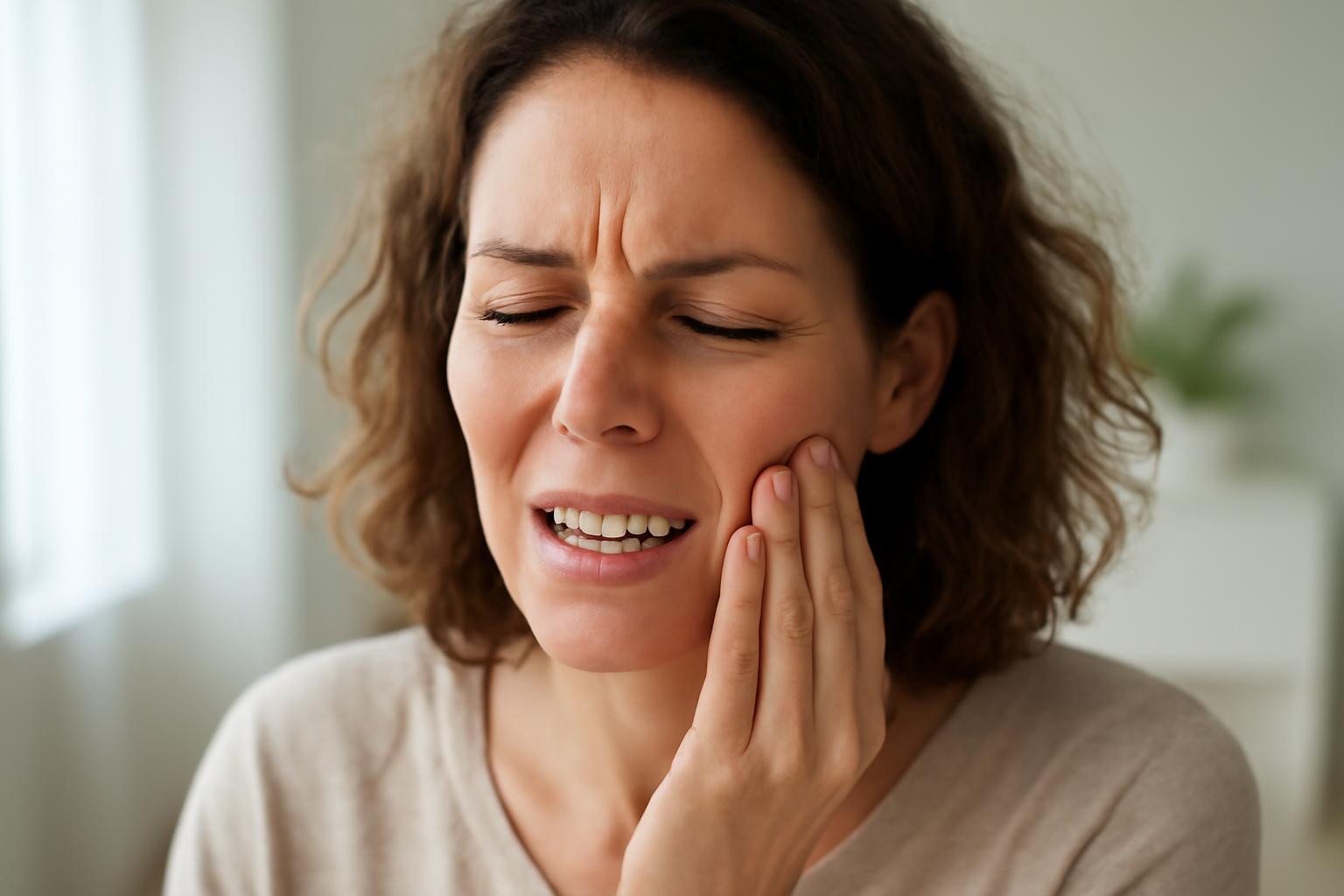
Uncovering the real reasons behind tooth sensitivity and everyday relief strategies.
If you keep wondering, why are my teeth sensitive when I brush every day?, the most useful short answer is this: brushing is important, but it does not fully protect teeth from every kind of wear, exposure, or damage. Sensitivity usually starts when something that used to shield the tooth no longer does its job as well. That change might be gradual, like enamel thinning over time. It might happen at the gumline, where recession exposes a root surface that was never meant to handle cold drinks and toothbrush bristles the same way the crown does.
That is why tooth sensitivity can feel confusing. You can be diligent about brushing and still develop pain from acids, grinding, gum recession, a cavity, a crack, or irritation after dental work. In some cases the cause is minor and manageable. In other cases, the same “zing” is the first noticeable sign that a tooth or gum problem needs attention.
The practical middle ground is not to panic and not to dismiss it. A better approach is to understand what sensitivity actually is, what commonly triggers it, what home steps are reasonable, and which patterns should push you toward a dental exam instead of more guesswork.
What Is Tooth Sensitivity?
Tooth sensitivity is commonly called dentin hypersensitivity. It usually feels like a short, sharp, temporary pain in response to ordinary things such as hot or cold temperatures, sweet or acidic foods and drinks, or even brushing and flossing. That description matters because it separates sensitivity from a constant throbbing toothache or swelling, which may point to a different problem. (Johns Hopkins Medicine)
To understand why that pain happens, it helps to picture the tooth as a layered structure. The crown, the part you see, is covered by enamel. Beneath the enamel is dentin, which is softer and more porous. Dentin contains microscopic tubules that communicate inward toward the pulp, where the tooth’s nerve-filled core sits. If enamel erodes, or if the gumline recedes and exposes the root, those tubules become less protected and the tooth becomes easier to irritate. (Penn Dental Medicine)
That does not mean every sensitive tooth is an emergency. Some people notice a brief flare after whitening, a cleaning, or a change in diet. Some notice it only with ice water and nothing else. But sensitivity is still a signal that something protective has changed. The better question is not only why does this hurt right now? but also what is letting normal everyday sensations reach the inside of the tooth more easily than before?
It also helps to think of sensitivity as a symptom rather than a complete diagnosis. Two people can both say, “My teeth are sensitive,” while one has mild exposed dentin and the other has a cavity, a worn filling, or a crack. The feeling overlaps. The causes do not always.
The Mechanism: How Exposed Dentin Leads to Pain
The best-known explanation for sensitivity is the hydrodynamic theory. In plain language, exposed dentin is full of microscopic tubules, and everyday triggers such as cold, heat, sweets, touch, or air can shift the fluid inside those tubules. Those fluid movements can stimulate the tooth’s internal nerves and create the sudden, sharp pain people describe. In other words, the outside world is usually not “touching the nerve” directly; the sensation is being transmitted inward through exposed dentin. (Listerine patient guide)
That mechanism explains why such ordinary things can suddenly feel extreme. A spoonful of ice cream, a sip of cold water, a hot drink, or a gust of winter air should not be memorable to a well-protected tooth. Once dentin is exposed, though, those same triggers can produce a fast jolt of pain that feels surprisingly intense for something so routine.
It also explains why sensitivity is often brief but dramatic. The pain tends to flare when the trigger arrives and fade when it is removed. That pattern is classic for dentin hypersensitivity. It can still be severe enough to make you stop chewing on one side, avoid cold drinks, or brush around certain spots.
Root exposure makes the problem easier to trigger because roots are not covered by enamel the way the crown is. Above the gumline, the tooth has its thickest armor. Below it, the tissues are more vulnerable. That is why a small amount of recession near the gumline can change how a tooth feels even when the rest of the tooth looks normal from a distance.
This mechanism also helps explain why tooth sensitivity is so variable. One person may have broad enamel wear affecting several teeth. Another may have one localized area of exposed root. Another may have a small crack that mimics routine sensitivity at home. The trigger may be identical, but the pathway that allows the trigger to matter is different.
Top Causes of Enamel Wear and Sensitivity
When people ask whether sensitivity is from brushing, diet, or something else, the honest answer is often more than one thing at once. Enamel can wear down from chemical forces, such as repeated exposure to acidic foods and drinks, and from mechanical forces, such as hard brushing or grinding. Cleveland Clinic lists acidic intake, hard brushing, and grinding among common contributors to erosion and sensitivity, and notes that thinner enamel leaves teeth more vulnerable to sensitivity and cavities. (Cleveland Clinic)
Acid matters because enamel is durable, not indestructible. Carbonated drinks, citrus, wine, and other acidic foods do not have to ruin teeth in a single sitting to matter. The problem is usually frequency and repetition. Sipping acidic drinks over long periods, snacking often on acidic foods, or repeatedly exposing teeth to acid without much recovery time gradually shifts the balance against enamel.
Mechanical wear then adds to that chemical stress. Many people assume cleaner teeth require harder brushing, but force is not the same thing as effectiveness. Scrubbing at the gumline with a lot of pressure can wear vulnerable areas faster, especially if the teeth have also been exposed to acid. Grinding and clenching add a different kind of wear. Even though enamel is the hardest substance in the body, it can still be worn down when enough pressure is repeated often enough.
A detail that often gets missed is timing. Right after acidic food or drink, enamel is more vulnerable to abrasion. That is why “brush immediately so the acid doesn’t sit there” can backfire. A better approach is to rinse with water, wait a bit, and then brush later. If you want the longer explanation, our guide to what daily brushing cannot fix covers why post-acid brushing can be too abrasive, and Delta Dental similarly advises waiting after acidic intake rather than brushing right away.
In real life, sensitivity often comes from a stack of small stresses rather than one dramatic mistake. Someone may sip sparkling water all afternoon, brush hard at night, and grind while asleep. Another person may whiten frequently, snack on citrus, and scrub the front teeth aggressively because they are trying to keep them bright. Each habit alone may seem minor. Together, they can remove enough protection to make a tooth reactive.
That is one reason brushing every day does not guarantee freedom from sensitivity.
Gum Recession and Other Dental Factors
Not all sensitivity starts with enamel thinning on the crown. Sometimes the more important change is at the gumline. When gums recede, they expose root surfaces that are naturally more sensitive because they are not covered by enamel the same way the visible crown is. Gum disease is one path to that recession, and poor oral hygiene can contribute indirectly by increasing plaque buildup, which raises the risk of gum disease and decay. (Penn Dental Medicine)
Sensitivity can also come from problems that sound more specific than “sensitive teeth” but feel similar at home: exposed roots, cavities, cracked or chipped teeth, worn fillings, gum disease, and whitening products are all recognized causes. That is why a generic symptom can hide very different underlying issues. (Mayo Clinic)
Recent dental work can muddy the picture. A cleaning or new filling can temporarily make a tooth more reactive, and that sensitivity may settle as the tooth and surrounding tissues calm down. But when one tooth becomes newly sensitive and stays that way, it deserves a closer look because a cavity, cracked filling, fracture, or exposed root may be involved. (Tulsa Dental Center)
Still, if whitening repeatedly makes your teeth miserable, that pattern is worth paying attention to rather than powering through it. Temporary irritation is one thing. Repeatedly provoking a vulnerable tooth is another.
What matters most is the distinction between a symptom you feel and a cause you can identify. At home, gum recession, mild erosion, whitening irritation, a small cavity, and a crack can overlap. That is why persistent sensitivity is a poor place to rely on self-diagnosis alone.
Common Triggers That Spark Sensitivity Pain
Most people first notice sensitivity through temperature. Cold water, ice cream, hot coffee, and even breathing in cold air can trigger that quick, unpleasant response. Sweet and acidic foods or drinks are also common triggers, and some people notice the pain while brushing their teeth. Those are classic patterns for dentin hypersensitivity. (HealthPartners)
Temperature tends to get most of the attention, but touch matters too. If dentin is exposed, the issue is not only “cold things hurt.” Physical contact can do it as well. That is why brushing a certain area, flossing around a particular tooth, or pressing on one edge while chewing can feel much more dramatic than you expect.
Chemical triggers matter for the same reason. Sugar and acid are not identical, but both can provoke symptoms when the tooth has lost some protection. That does not mean the food itself is uniquely dangerous; it means the tooth is less insulated than it used to be.
Cold air is another useful clue because it reminds people that sensitivity is about exposure, not only eating. If breathing through your mouth on a chilly day makes your teeth complain, that strongly fits the pattern of exposed dentin responding to ordinary environmental change.
The practical takeaway is simple: the trigger is only half the story. Plenty of people drink cold water every day without pain. Sensitivity starts when the tooth’s defenses have changed enough that normal triggers are no longer normal to that tooth.
Home Strategies for Immediate Relief
If you need to calm sensitivity down at home, start by removing the obvious sources of irritation. Use a soft-bristled toothbrush, lighten your pressure, and switch from scrubbing motions to gentle strokes. Over-the-counter desensitizing toothpaste or mouthwash may help block pain, and fluoride products can help strengthen enamel.
It helps to think in terms of lowering the tooth’s daily workload. If cold drinks reliably set off pain, let them warm a little. If sweets or acidic drinks are the issue, stop “testing” the tooth over and over just to see whether it still hurts. People do this more than they realize: one sip, then another, then a poke with the toothbrush, then a bite on that side “just to check.” Repeated checking is still repeated irritation.
When acids are part of the picture, change both what you consume and how you consume it. Using a straw for acidic drinks can reduce contact with teeth, and rinsing with water afterward is gentler than brushing immediately. If a drink is very acidic, having it with a meal is generally kinder to teeth than sipping it across an afternoon. (Delta Dental)
Home care also becomes more effective when you look for patterns instead of isolated moments. Does the pain spike after whitening strips? After sparkling water? After nights when you wake up clenching? After brushing hardest along the gumline? You do not need to diagnose yourself from those observations, but you can often identify a habit that is repeatedly reopening the same problem.
A reasonable short-term action sequence looks like this:
- Switch to a soft brush and gentler technique.
- Use a desensitizing fluoride toothpaste consistently.
- Cut back on obvious triggers, especially repeated acid exposure.
- Rinse after acids and wait before brushing.
- Notice whether the problem is fading, staying the same, or becoming more focused and intense.
What home care should not do is become an excuse to ignore a worsening problem. Initial relief strategies make sense. Endless self-experimentation does not.
When to See a Dentist and Professional Options
A dental visit makes sense when sensitivity is persistent, intense, worsening, limited to a particular area, or accompanied by visible damage, swelling, or other signs that the issue may be more than routine dentin exposure. Cleveland Clinic notes that sensitivity can point to a cavity, gum disease, or a cracked tooth, and that a dentist may need to determine the cause before the right treatment becomes clear. (Cleveland Clinic)
Professional treatment depends on what is actually wrong. If the problem is exposed dentin or a sensitive root surface, treatment may include fluoride varnish, a dentin sealant, or bonding to create a more protective barrier. If grinding is part of the damage pattern, a mouth guard may help reduce ongoing wear. If the true cause is decay, a cracked tooth, or failing dental work, the answer has to address that underlying problem rather than only dulling the symptom.
That is where self-diagnosis reaches its limit. “Sensitive teeth” is a useful description, but it is not a final explanation. The same cold pain can come from worn enamel, root exposure, a cracked restoration, or a cavity. The next step is different in each case.
A good rule of thumb is that time and pattern matter. A mild, broad sensitivity after whitening may deserve watchful home care. A single tooth that keeps flaring during chewing or cold drinks, or sensitivity that is getting stronger instead of better, deserves an exam.
Preventing Sensitivity Long-Term
Long-term prevention is less about heroic treatments and more about repeated, low-drama habits. Gentle brushing twice a day, cleaning between the teeth, using fluoride toothpaste, and keeping regular dental checkups all reduce the chances that gum problems, decay, or ongoing wear will quietly progress until they start hurting. The aim is not merely to soothe today’s pain but to stop the conditions that make sensitivity keep coming back.
Diet changes help most when they are practical. Many people do not need to eliminate every acidic food forever. What often matters more is frequency and exposure pattern. Acidic drinks are generally less damaging when they are consumed with meals rather than sipped over hours, and rinsing with water afterward helps reduce how long acids stay in contact with the teeth.
It also helps to deal with the “hidden” wear factors. If you clench or grind, ask about a night guard. If whitening repeatedly increases sensitivity, back off instead of treating that reaction as normal maintenance. If you always concentrate the most pressure right at the gumline, retrain that habit. Sensitivity often develops from accumulated wear, not one memorable event.
Saliva also matters more than people realize. That does not make saliva a cure for significant erosion or exposed roots, but it does mean that constant dryness and constant acid exposure both make the environment less forgiving.
One expectation is worth making explicit: once enamel is physically lost, the body does not grow it back. Fluoride can help strengthen weakened enamel earlier in the process, but that is not the same thing as rebuilding worn-away enamel. The goal is to preserve what remains, support vulnerable surfaces, and stop the cycle before deeper damage follows.
FAQ
Can tooth sensitivity go away on its own?
Sometimes, but only in a narrow sense. Brief sensitivity after a cleaning, a filling, or another dental procedure may settle as the tooth recovers, and some milder cases improve when the underlying irritation is reduced. But ongoing or intense sensitivity should not be treated as something that will reliably disappear without addressing the cause.
Does brushing too hard really cause sensitivity?
Yes. Brushing too hard can wear away enamel and irritate or recede the gums, which exposes more sensitive tooth structure underneath. The risk is greater if you scrub with a firmer brush or brush immediately after acidic foods or drinks, when the surface is more vulnerable.
Are acidic foods the main culprit for sensitive teeth?
Not necessarily. Acidic foods and drinks are a common cause because they can erode enamel, but they are only one part of the picture. Exposed roots, cavities, gum disease, cracks, whitening products, and recent dental work can all create similar symptoms, which is why the trigger you notice is not always the whole diagnosis.
How long should I try desensitizing toothpaste before seeing a dentist?
If sensitivity is still bothering you, getting worse, or seems focused on one area or tooth, it is reasonable to book a dental visit so a dentist can identify or rule out causes such as decay, exposed roots, a crack, or gum disease. (Mayo Clinic)
Is sensitivity always from enamel loss?
No. Enamel thinning is one common reason, but it is not the only one. Sensitivity can also come from gum recession that exposes roots, cavities, cracked teeth, grinding-related damage, or temporary irritation after dental work.
If you came here asking why are my teeth sensitive, the most useful takeaway is this: the pain usually means dentin has become easier to stimulate, often because enamel has worn down or the gums have receded, but the same symptom can also overlap with decay, cracks, gum disease, or irritation after treatment. That makes sensitivity common, but not meaningless.
A sensible next-step framework is straightforward: brush gently, switch to a desensitizing fluoride toothpaste, reduce repeated acid exposure, stop brushing immediately after acidic drinks or foods, and pay attention to whether the pain improves or keeps returning. If it persists, becomes more intense, or seems concentrated in one spot, the right move is a dental exam rather than more guesswork.
This article is general information, not a personal diagnosis.