
Vaping Could Raise Cavity Risk, but the Evidence Is Not Conclusive
Vaping could raise cavity risk through dry mouth and changes to plaque or enamel, but human evidence cannot yet prove direct causation.
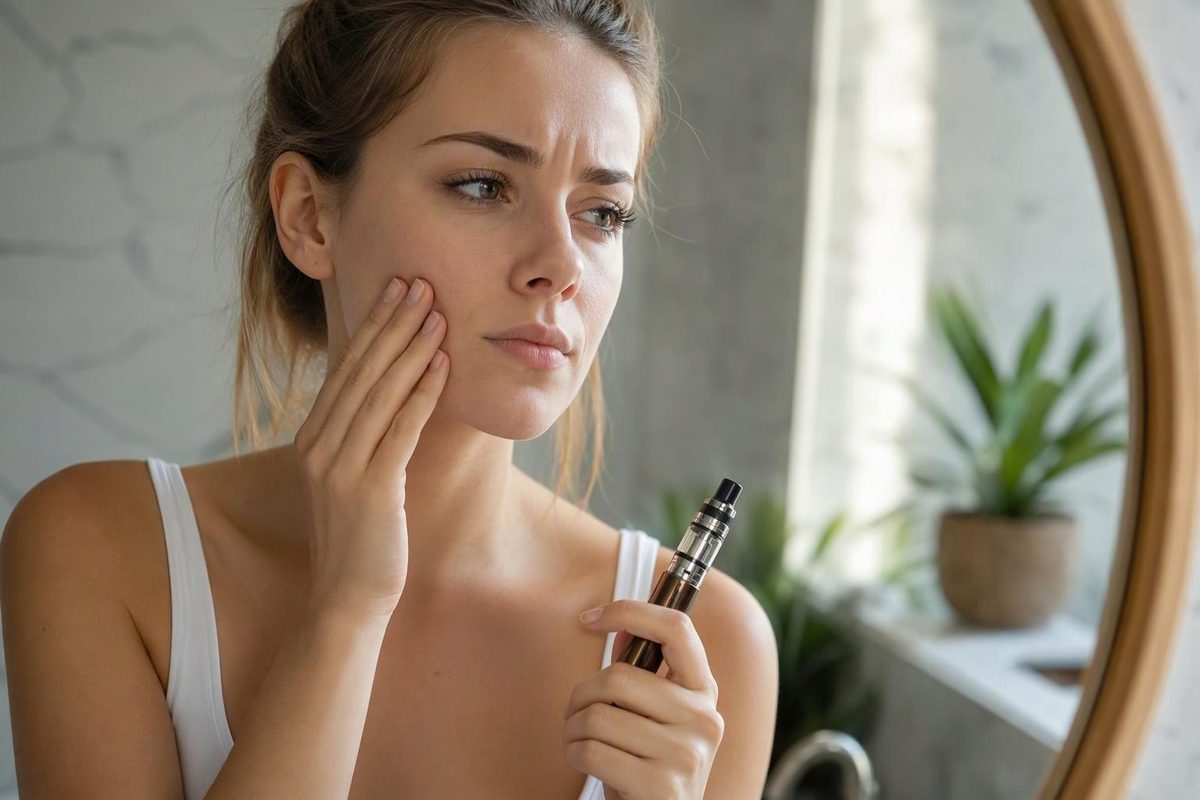
Vaping could increase the risk of tooth decay, but current research does not show that it directly causes cavities in every person who vapes. Human studies have found associations with untreated decay or a high cavity-risk classification. They are mainly observational, however, so diet, oral hygiene, dental attendance and previous or concurrent tobacco use can affect the results.
A 2025 systematic review concluded that vaping may favor decay-related bacteria and that users may have more cavities than non-smokers. The authors also described the evidence as inconsistent and limited, with varied study methods and inadequate control of confounding factors in some studies (systematic review). The careful answer is therefore: vaping could contribute to tooth decay, but the size of that risk—and the effects of particular devices or liquids—remain uncertain.
How vaping could make decay more likely
A cavity develops when bacteria in dental plaque repeatedly use sugars and starches to produce acids that remove minerals from enamel. Saliva helps wash the mouth, neutralize acids and supply minerals that can return to weakened enamel. Frequent acid attacks can eventually overwhelm that repair process (NIDCR explanation of tooth decay). Vaping may shift this balance in several ways.
Dry mouth reduces a natural defense
Dry mouth, or xerostomia, is reported by some people who vape. A review of 14 observational studies estimated its prevalence at 33% among e-cigarette users, but results varied widely and the authors cautioned that the studies were limited in number and quality. The estimate does not prove that vaping caused every case (xerostomia review).
Persistent dry mouth matters because saliva washes away food particles, helps control harmful germs and supplies calcium and phosphate that keep teeth strong. Having too little saliva increases the risk of decay (NIDCR dry-mouth guide). Other factors, including medicines and health conditions, can also cause a dry mouth, so vaping may not be the only explanation.
Aerosol may alter plaque and oral bacteria
Laboratory studies suggest that some vaping aerosols can promote bacterial adhesion, biofilm formation and the growth of Streptococcus mutans, a bacterium involved in decay. The viscosity of some aerosols and sweet flavor compounds may also help material adhere to teeth. These findings show plausible mechanisms, not that a particular product will cause a cavity in a person.
A large dental-clinic study illustrates the uncertainty. Among more than 13,000 patients, 79% of the 91 people who reported vaping were categorized as having high cavity risk, compared with about 60% of non-users. The study was cross-sectional and did not establish whether devices contained nicotine or THC, so it found an association rather than cause and effect (Tufts summary of the study).
Some e-liquids are acidic or contain sugars
Laboratory testing has detected sugars in some e-liquids and found a pH below 5.5 in 38 of 45 products in one study. These results cannot be applied to every flavor, formulation or device, and they do not establish how much acid or sugar reaches teeth during ordinary use (2025 evidence review).
Acid can soften and dissolve tooth mineral directly—a process called erosion. Decay is different: it involves acids produced by bacteria within plaque. Both can damage tooth structure, but one does not prove the other.
“Nicotine-free” also does not necessarily mean harmless to teeth. Nicotine is only one variable; flavorings, solvents, acidity and frequency of exposure may matter. The CDC notes that e-cigarette aerosol is not harmless water vapor and that it can be difficult to know what a product contains (CDC overview).
What can lower the risk?
Stopping vaping removes the exposure, but returning to combustible cigarettes is not a dental workaround. People who want to stop can use the National Cancer Institute’s free quit-vaping resources or discuss cessation support with a health professional.
Whether or not quitting happens immediately, the usual cavity-prevention measures still matter:
- Brush twice daily with fluoride toothpaste.
- Clean between the teeth each day.
- Drink plain water rather than sugary or acidic drinks when the mouth feels dry.
- Limit how often teeth are exposed to sugary snacks and drinks, especially between meals.
- Tell a dentist or hygienist about vaping and persistent dry mouth. They can assess overall cavity risk and decide whether additional fluoride or closer monitoring is appropriate.
These measures reduce risk; they do not guarantee that decay will not develop. Fluoride and saliva may stop or partly reverse early mineral loss while the enamel surface remains intact. Once tooth structure has broken down into a hole, home care cannot rebuild it; a dentist may need to restore it. This distinction is explained further in tooth decay stages.
Arrange a dental examination for a persistent white, brown or black area, a suspected hole, recurring sensitivity or toothache. Color and pain alone cannot confirm decay, and cavities do not always hurt. Facial swelling, fever or pus calls for prompt assessment. Difficulty breathing or swallowing with mouth or facial swelling is an emergency; see these urgent dental warning signs.