
How Long Do Dental Sealants Last?
Dental sealants often last several years and can last up to 10. Learn why lifespan varies, when repairs are needed, and what protection they provide.
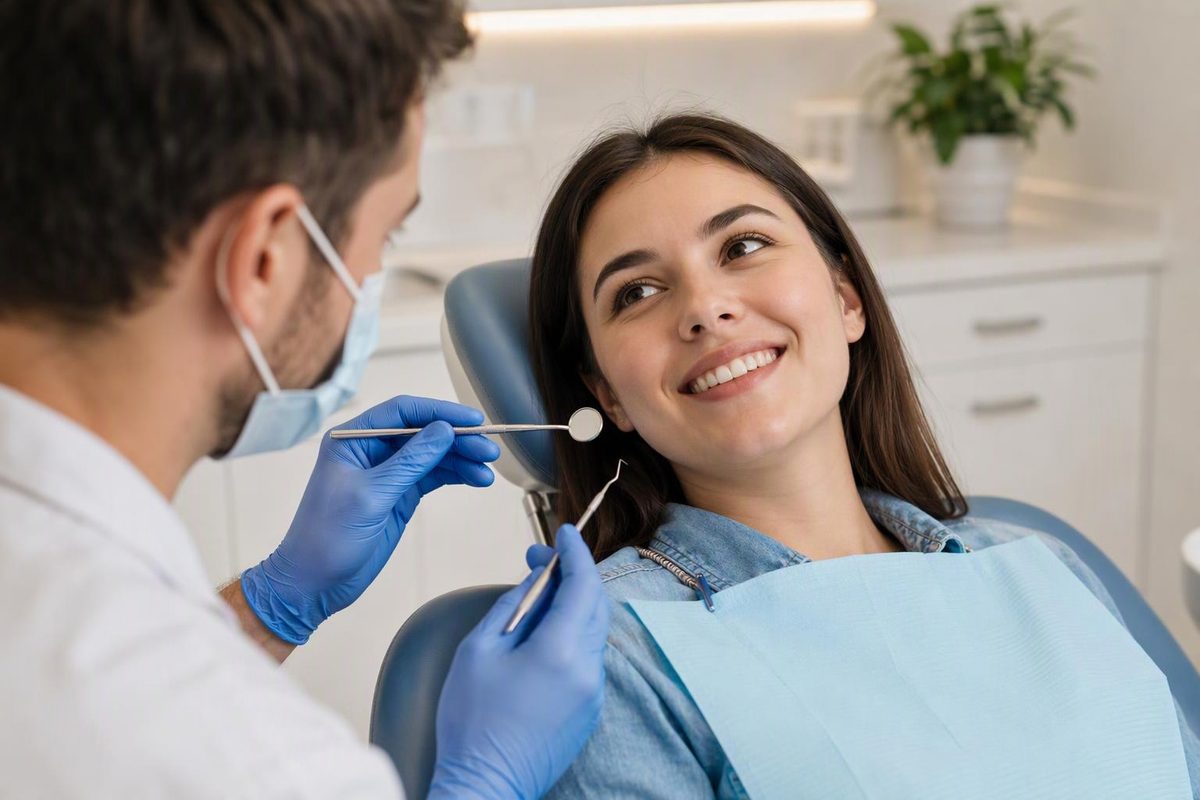
Dental sealants often last several years, and some can last up to 10 years. That is a possible lifespan, not a guarantee or a replacement deadline. They should be checked during regular dental visits and reapplied as needed. (ADA, NIDCR booklet)
The useful question is therefore not just “How old is this sealant?” but “Does it still cover and seal the vulnerable grooves?”
Lifespan is not the same as cavity protection
A sealant is a thin protective coating, usually placed over the pits and grooves on the chewing surfaces of back teeth. These narrow spaces can trap food and cavity-causing bacteria where toothbrush bristles do not reach well. The coating creates a barrier rather than rebuilding lost tooth tissue. (NIDCR)
Two kinds of numbers appear in information about sealants:
- Retention: whether sealant material remains fully or partly attached to the tooth over time.
- Cavity prevention: how much sealants reduce decay compared with teeth without sealants.
These are not interchangeable. For example, the CDC reports that sealants applied around the time permanent molars come in can prevent up to 80% of cavities over two years and continue to protect against 50% for up to four years. Those figures describe cavity prevention—not a rule that sealants fall off or stop working at two or four years. (CDC)
Why some sealants need attention sooner
Sealants do not all have the same lifespan. A review of research published from 2012–2022 found widely varying retention rates, with limited longer-term follow-up. Important influences include:
- Material. Resin-based sealants generally showed higher retention than glass ionomer sealants in the studies reviewed, although results varied substantially.
- Moisture during placement. Saliva contamination can weaken the bond between a resin sealant and the tooth.
- How far the tooth has emerged. Partially erupted molars—teeth still coming through the gum—are harder to keep dry and showed lower sealant retention than fully erupted molars.
- Placement technique. Surface preparation and bonding steps affect how securely the material stays attached.
These differences help explain why an “up to 10 years” estimate cannot predict the lifespan of an individual sealant. Earlier loss does not, by itself, show that someone brushed incorrectly or failed to care for their teeth. (Review of dental sealants)
When does a sealant need repair or replacement?
There is no universal schedule for replacing every sealant. At routine visits, the dental team checks its condition. If it is chipped or worn away, more sealant material may be added; reapplication is based on the findings rather than age alone. (ADA, NIDCR booklet)
If a coating seems to have come off, a dental assessment can establish whether grooves are exposed and whether resealing is appropriate. The appearance alone does not establish that a cavity has formed. At a dental checkup, useful questions include: “Is the sealant intact?” and “Does any area need more material?”
Sealants still need everyday prevention
An intact sealant protects the surface it covers, not every surface of the tooth. It does not replace brushing or cleaning between teeth. (ADA) NIDCR recommends brushing twice daily with fluoride toothpaste and having regular dental checkups alongside sealants. (NIDCR)
Decay Guide is an independent information publisher, not a dental practice. This article provides general information, not an assessment of an individual tooth.