
Is Your Filled Tooth Settling Down—or Does It Need Another Look?
If the tooth is not improving, interferes with eating, wakes you, or feels too tall when you close your teeth, contact the treating dentist.
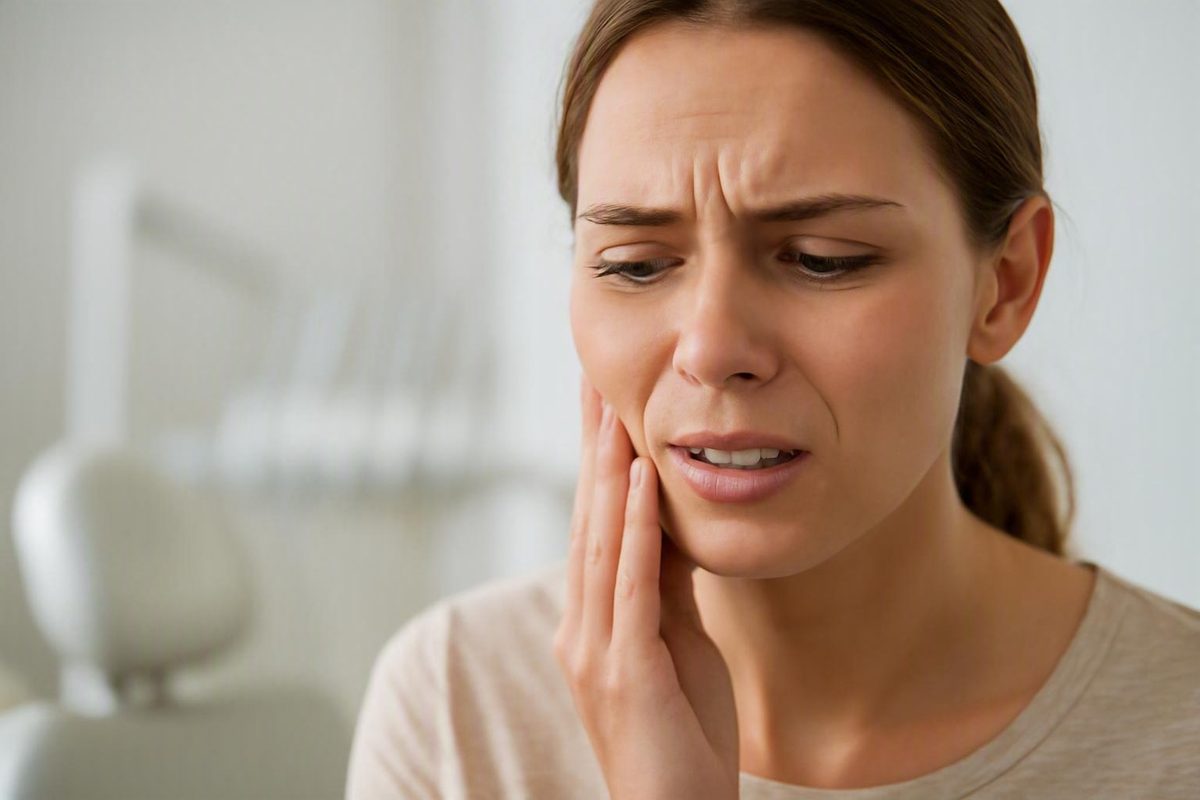
The short answer: focus on the pattern, not one deadline
Mild tooth sensitivity after a filling can occur. A brief twinge caused by cold, heat, air, sweets, or chewing pressure is generally more reassuring when it is becoming less noticeable. Pain that lingers, appears without a trigger, worsens, disrupts sleep, or makes normal chewing difficult deserves dental assessment.
There is no universal recovery deadline. Patient-education estimates vary: some describe improvement within several days to about two weeks, while others allow approximately two to four weeks, particularly after a deep filling. These are approximate, inconsistent estimates rather than validated diagnostic cutoffs. A medically reviewed overview likewise notes that sensitivity lasting beyond a couple of weeks may be less concerning when it is clearly improving, while symptoms that do not improve should be discussed with a dentist according to Medical News Today.
- Improving: Mild, brief, trigger-linked sensitivity can often be monitored.
- Unchanged: Contact the treating dentist if there is no meaningful improvement, especially if the tooth affects chewing.
- Worsening: Call sooner rather than waiting for a two- or four-week milestone.
- Bite-related: If the filled tooth seems to hit first or hurts markedly when you bite, ask the dentist to check it.
- Urgent: Swelling, pus, fever, spreading redness, or feeling generally unwell warrants urgent dental assessment.
- Emergency: Difficulty breathing or rapidly increasing facial or oral swelling requires emergency medical care.
This guide cannot diagnose the condition of your tooth and does not replace a dental examination. A filling may look normal while the bite, restoration, remaining tooth structure, or tissue inside the tooth still needs assessment.
If mild cold sensitivity lasts only a moment and is fading each day, conservative monitoring may be reasonable. If the tooth is not improving, interferes with eating, wakes you, or feels too tall when you close your teeth, contact the treating dentist. Do not continue waiting at home when pain is severe or escalating simply because a deep filling can sometimes take longer to settle.
What post-filling sensitivity can feel like
A recently filled tooth may react to:
- Cold food, drinks, or air
- Hot food or drinks
- Sweet or acidic items
- Biting down
- Chewing pressure
- Contact from the opposing tooth
The gum immediately around the treated tooth may also feel mildly tender soon after the procedure. Minor discomfort that improves over the first few days is different from a toothache that becomes stronger, lasts longer, or starts occurring without an obvious trigger.
Pay attention to what starts the pain and what happens afterward. A short twinge that stops promptly after the trigger is removed is generally less concerning than temperature pain that continues once you stop eating or drinking. Spontaneous, throbbing, nighttime, worsening, and prolonged pain patterns are reasons to arrange an assessment, although none identifies the cause by itself as outlined in this post-filling symptom guide.
The following table is a triage aid, not a self-diagnostic tool. Different dental problems can produce similar symptoms.
| Pattern | Possible explanation | Sensible next step |
|---|---|---|
| Brief temperature sensitivity that stops soon after the trigger and is improving | Temporary irritation after the procedure, particularly when work was close to the pulp | Avoid the trigger temporarily and monitor the overall trend |
| Pain only when biting, or a sense that the treated tooth hits first | Excess pressure from a filling that interferes with the bite; a crack or restoration problem is also possible | Contact the treating dentist, especially if the pain is marked or prevents normal chewing |
| Temperature pain that lingers after the food or drink is gone | Continuing irritation or inflammation inside the tooth; symptoms cannot establish its severity | Arrange prompt dental assessment rather than repeatedly testing the tooth |
| Spontaneous, throbbing, or nighttime pain | A pulp complication or another dental problem may need evaluation | Contact a dentist promptly, particularly if pain is worsening or disrupting sleep |
| Pain with gum or facial swelling, pus, fever, spreading redness, or feeling unwell | Possible infection or spreading inflammation | Seek urgent dental assessment |
Pain quality offers clues, not proof. Biting pain can occur with a high filling, but it can also occur with a cracked tooth, loose restoration, or another problem. Lingering temperature pain may raise concern about the pulp, but it cannot show whether that tissue will recover or what treatment is necessary.
Instead, observe symptoms that arise during ordinary eating and drinking. Note the trigger, intensity, duration, effect on chewing, and whether the pattern is improving.
Why a filled tooth may become sensitive
During a routine filling procedure, the dentist removes decayed material, prepares or cleans the area, and places restorative material. Although the aim is to preserve the tooth and restore its function, the procedure can temporarily irritate nearby tissues.
At the center of the tooth is the pulp, which contains nerves and blood vessels. Removing decay and preparing a cavity close to this tissue may cause short-term irritation or inflammation. That can make the tooth react more strongly to temperature or pressure even when the restoration itself remains intact.
A deep cavity generally leaves less tooth structure between the filling and the pulp. Sensitivity may therefore be stronger or take longer to fade after a deep filling. This possibility does not make severe, persistent, or worsening pain safe to ignore.
Another possibility is bite interference. If the filling sits slightly higher than the surrounding biting surface, the restored tooth may contact its opposing tooth before neighboring teeth do. It can then receive disproportionate pressure whenever you bite or chew. A high point may not be obvious while the mouth is numb. If excess height is confirmed, a dentist may smooth or reshape the restoration.
Other possible explanations include:
- A loose, cracked, broken, or poorly fitting filling
- A crack in the remaining tooth structure
- Continuing or more significant inflammation of the pulp
- Infection
- Irritation of the surrounding gum
- Sensitivity related to another dental condition
- An uncommon reaction to a restorative or procedural material
These possibilities should not be treated as equally likely or ranked from symptoms alone. Infection and material reactions are possible, but neither should be assumed to explain ordinary, mild sensitivity that is steadily improving. Rash, itching, persistent oral irritation, or breathing symptoms require professional assessment rather than an assumption that the filling material is responsible.
The supplied evidence also does not establish that one filling material reliably causes more postoperative sensitivity than another. Cavity depth, remaining tooth structure, bite, procedural details, previous treatment, and individual sensitivity may all matter. The treating dentist is best positioned to explain what was done and how close the restoration was to the pulp.
A practical recovery timeline based on symptom trend
A timeline can help you observe recovery, but it should not overrule the symptom pattern.
During the first day: Your lip, cheek, tongue, or part of your jaw may remain numb after local anesthetic. Wait until normal sensation returns before chewing so that you do not accidentally bite your lip, cheek, or tongue. Follow any material-specific instructions supplied by the dentist. Post-filling aftercare guidance similarly advises avoiding full biting pressure until numbness has resolved because anesthetic can conceal accidental soft-tissue injury.
During the first several days: Mild sensitivity linked to cold, heat, air, sweets, or pressure can often be monitored if each episode is brief and the overall pattern is stable or improving. Some tenderness around the tooth or nearby gum may also settle during this period. The tooth does not necessarily need to feel completely normal immediately.
Over the following one to two weeks: Look for noticeable progress even if the tooth is not entirely symptom-free. Twinges may become less intense, occur less often, or end more quickly. Chewing should become easier rather than harder. Several supplied patient-education sources describe improvement within several days to roughly two weeks, but their estimates are general rather than universal as summarized by this dental-practice overview.
Beyond that period: Other patient-education sources allow approximately two to four weeks, especially after a deep filling. Because the estimates are inconsistent, two or four weeks should not be treated as a diagnostic threshold. Contact the dentist if symptoms remain unchanged, are not clearly improving, persist for roughly two to four weeks, or affect ordinary eating or sleep.
Do not wait for an arbitrary deadline if:
- The tooth clearly hits first
- Biting causes marked or sharp pain
- You cannot chew normally
- Pain is severe or worsening
- Pain occurs without a trigger
- Temperature pain lingers after the trigger is gone
- The filling feels loose or appears damaged
- Swelling, pus, fever, or systemic illness develops
A simple daily log can help show whether the tooth is settling:
| What to record | Example |
|---|---|
| Trigger | Cold water, hot tea, sweet food, air, biting, or no trigger |
| Intensity | Mild, moderate, or severe—or the same personal scale each day |
| Duration | Stops immediately, lasts a few seconds, or continues for minutes |
| Biting pain | None, mild tenderness, sharp pain, or unable to chew |
| Bite change | Normal, uncertain, or treated tooth clearly hits first |
| Nighttime symptoms | None, noticeable, or wakes you |
| Swelling or other signs | None, gum swelling, facial swelling, pus, redness, fever, or feeling unwell |
| Overall trend | Better, unchanged, or worse than yesterday |
The value of the log lies in consistency, not numerical precision. “Cold hurts” is useful; “cold pain lasts about a minute and is becoming stronger each day” is more informative. Bring the record to the dentist or use it when describing the problem by phone.
What you can do for mild, improving sensitivity
Start by reducing the triggers that actually bother the tooth. You might temporarily:
- Avoid very hot or cold food and drinks
- Let refrigerated food warm slightly
- Keep cold air away from the tooth
- Limit sweet or acidic items that provoke sensitivity
- Avoid hard or sticky foods if they cause pressure discomfort
Chew on the other side for a short period if necessary, but do not make this a long-term substitute for assessment. If you still cannot use the filled tooth normally or chewing remains painful, the restoration and bite should be checked.
Continue cleaning your teeth. Brush gently with a soft-bristled toothbrush and clean around the treated tooth rather than abandoning oral hygiene because the area feels sensitive. Forceful brushing is unnecessary, but leaving plaque and food around the restoration is not a solution.
You may try a non-branded toothpaste marketed for sensitive teeth. Some products contain potassium nitrate or stannous fluoride. Ingredients and directions vary, and no particular result or fixed relief timeline can be promised. Use the product as labeled and stop if it causes irritation.
Temporarily avoid whitening products or whitening toothpaste if they make the sensitivity worse. Improvement after stopping a whitening product does not establish whether the restoration, bite, or pulp is healthy.
It cannot correct bite pressure, repair a damaged filling, or establish the health of the pulp.
If you are considering nonprescription pain medicine, follow the product label and ask a dentist, pharmacist, or other qualified clinician whether it is suitable for you. Other medicines and health conditions can affect what is safe. This guide does not recommend a particular drug, dose, or schedule.
Home measures may improve comfort, but they cannot:
- Lower a high filling
- Repair a crack in the tooth
- Reattach or replace a loose, broken, or missing restoration
- Treat an infection
- Determine whether the pulp is healthy
- Confirm the cause of the sensitivity
It should not be used to postpone an examination when the symptom pattern is concerning.
When to call the dentist—and when the situation is urgent
Use these care tiers as a conservative decision aid. They are not a diagnosis, and the available evidence does not validate them as formal clinical rules. If you are uncertain, call the treating dental office for individualized advice.
Monitor with gentle care
Monitoring may be reasonable when:
- Sensitivity is mild.
- A specific trigger causes it.
- The discomfort stops quickly.
- The tooth feels normal between triggers.
- You can eat and sleep normally.
- The overall trend is clearly improving.
- There is no swelling, fever, pus, damaged filling, or major bite change.
Continue ordinary oral hygiene, avoid provoking triggers temporarily, and watch the direction of symptoms.
Contact the treating dentist
Arrange a review if:
- Sensitivity is unchanged or not clearly improving.
- It persists for roughly two to four weeks.
- It interferes with eating.
- It disrupts sleep.
- The bite feels different.
- The tooth remains uncomfortable during ordinary chewing.
You do not need to wait several weeks if something feels mechanically wrong. The dentist who performed the filling knows its location, depth, material, and procedural details.
Contact the dentist earlier for:
- Marked or sharp pain when biting
- A treated tooth that clearly contacts first
- Severe or progressively worsening pain
- Pain that begins without a trigger
- Throbbing pain
- Temperature pain that continues after the trigger is gone
- A loose, cracked, broken, or missing filling
- Pain that prevents normal eating
These symptoms do not prove that the filling has failed, that the pulp is permanently damaged, or that root-canal treatment is necessary. They mean that continued home observation is less appropriate.
Seek urgent dental assessment
Swelling around the tooth or gums, pus, fever, spreading redness, a foul odor accompanied by other infection signs, or feeling generally unwell warrants urgent dental care. These features may occur with infection and should not be managed solely with toothpaste, rinses, or dietary changes according to medically reviewed warning-sign guidance.
When calling, describe the location and extent of the swelling, whether it is increasing, and whether you have fever, difficulty eating, or other systemic symptoms. If urgent dental care is unavailable and symptoms are worsening, seek medical advice rather than waiting for a routine appointment.
Seek emergency medical care
Difficulty breathing in association with facial or oral swelling or a suspected severe allergic reaction is a medical emergency. A dental-practice safety overview identifies breathing difficulty as a possible sign of a severe reaction requiring immediate medical attention in its discussion of pain and reactions after fillings.
Severe symptoms should never be observed for weeks merely because some deep fillings remain sensitive longer. A longer possible recovery applies only when the tooth is otherwise following a mild, improving course.
What a dentist may check at the follow-up
A follow-up usually begins with the symptom history. The dentist may ask:
- When did the sensitivity begin?
- Is it triggered by cold, heat, sweets, air, or pressure?
- How long does pain continue after the trigger is removed?
- Does it occur without a trigger?
- Does it wake you?
- Can you chew on the tooth?
- Does the filled tooth seem to contact first?
- Are symptoms improving, unchanged, or worsening?
- Have you noticed swelling, a bad taste, damage, or looseness?
The dentist may inspect the restoration and surrounding tooth, assess how the upper and lower teeth meet, and look for a loose, cracked, broken, or poorly fitting filling. The surrounding gum and mouth may also be checked for signs of inflammation or infection.
If the restoration is too high, the dentist may smooth or reshape it after confirming the bite problem. This may reduce disproportionate chewing pressure.
Treatment depends on what the examination identifies. Possible outcomes include:
- Continued monitoring
- A professional bite adjustment
- Repair of the restoration
- Replacement of a damaged or poorly fitting filling
- Further evaluation of the pulp or remaining tooth structure
Severe pulp damage can sometimes require further treatment, including root-canal treatment. Persistent sensitivity does not automatically lead to that outcome. Minor irritation may settle, while biting pain may prove to be mechanical. The examination—not the symptom label alone—guides the decision.
If possible, return to the dentist who placed the restoration, especially when symptoms began immediately afterward. Another dentist can still assess the tooth if the original clinician is unavailable or urgent care is needed.
Evidence limits and how to use this guide
The supplied evidence for specific post-filling recovery timelines is limited. Much of the available consumer material comes from dental-practice blogs and oral-care product pages. These sources often have commercial interests, provide few supporting citations, and use inconsistent estimates ranging from several days to several weeks. Repeated agreement among promotional pages is not the same as independent clinical validation.
No formal clinical guideline, systematic review, or primary study was supplied to validate a detailed post-filling triage framework. This guide therefore uses cautious symptom-based distinctions rather than claiming that a particular number of days or a specific pain pattern establishes a diagnosis.
The most defensible practical takeaways are:
- Mild, brief sensitivity that is clearly improving can occur after a filling.
- Worsening, persistent, spontaneous, lingering, bite-related, or function-limiting symptoms deserve professional assessment.
- Swelling, fever, pus, spreading redness, or systemic illness changes the situation from routine monitoring to urgent care.
- Difficulty breathing or rapidly increasing facial or oral swelling requires emergency medical care.
- Symptoms can help determine the next step but cannot reveal whether the pulp will recover, whether a crack is present, or whether the restoration needs adjustment.
Contacting the treating dentist is particularly useful because that clinician knows the filling’s depth, location, material, and procedural details.
For broader context, Decay Guide’s article index lists a general guide to tooth sensitivity, but general sensitivity information cannot diagnose a post-treatment problem. Readers should also understand the site’s limitations: Decay Guide states that it is written by a health writer, has not been clinician-reviewed, and does not replace an examination. Its editorial and accuracy disclosures describe the information as educational rather than individualized diagnosis or treatment advice.
In practical terms, brief sensitivity that is steadily improving can often be monitored with gentle cleaning and temporary trigger avoidance. Biting pain, a tooth that hits first, symptoms that do not improve, or pain that disrupts eating or sleep should be discussed with a dentist. Swelling, fever, pus, spreading redness, or feeling systemically unwell warrants urgent dental care. Breathing difficulty or rapidly increasing facial or oral swelling requires emergency medical care. The pattern can guide your next step, but only an examination can assess the tooth.
Frequently asked questions
Why does my tooth hurt only when I bite after a filling?
Pain limited to biting may occur when the filling sits too high and the treated tooth contacts its opposing tooth first. That can concentrate pressure on the tooth whenever you chew. A loose or cracked restoration, a crack in the remaining tooth, or irritation around the pulp can also cause biting pain, so the symptom does not prove that filling height is responsible.
Contact the treating dentist if the tooth clearly hits first, the pain is sharp or marked, or you cannot chew normally. A dentist can check the bite and may smooth or reshape the filling if excess height is confirmed. Do not try to file or alter it yourself.
Is cold sensitivity two weeks after a filling normal?
It can still fall within some published recovery estimates, particularly after a deep filling, but the more important question is whether it is improving. A brief cold twinge that has become milder and shorter may be reasonable to monitor. Cold pain that is unchanged, worsening, continues after the drink is gone, or interferes with eating or sleep should be discussed with a dentist.
Two weeks is neither a guarantee of normal recovery nor proof of a complication. If the tooth is not clearly settling, contact the treating office rather than waiting for a universal cutoff that does not exist.
Can a high filling be adjusted without replacing it?
A dentist may be able to smooth or reshape a high point after confirming that the restoration interferes with the bite. Full replacement is not automatically required. The appropriate approach depends on the restoration’s condition, fit, material, and the health of the surrounding tooth.
A tooth that seems to hit first or develops marked biting pain should be checked rather than left to wear down. Never attempt to adjust the filling at home.
Does persistent sensitivity mean I need a root canal?
No. Persistent sensitivity has several possible explanations, including continuing irritation after a deep procedure, excess bite pressure, a damaged restoration, a crack, or a pulp problem. Symptoms alone cannot establish which explanation applies or whether the pulp can recover.
Root-canal treatment may be considered when an examination identifies severe pulp damage, but lingering sensitivity does not automatically lead to that treatment. Contact a dentist when symptoms are not improving, are worsening, occur spontaneously, linger after temperature exposure, or disrupt sleep.
What should I do if the filling cracks, becomes loose, or falls out?
Contact a dentist promptly. Avoid chewing on that side and keep the area clean with gentle brushing. Be cautious with very hot, cold, hard, or sticky foods if the exposed tooth is sensitive. Do not glue the restoration back into place or put household materials on the tooth.
Seek urgent dental care if the damaged filling is accompanied by severe pain, swelling, fever, pus, spreading redness, or feeling unwell. A dentist must determine whether the restoration can be repaired or needs replacement and whether the remaining tooth has also been damaged.