
What Can—and Cannot—Be Restored After Gums Recede
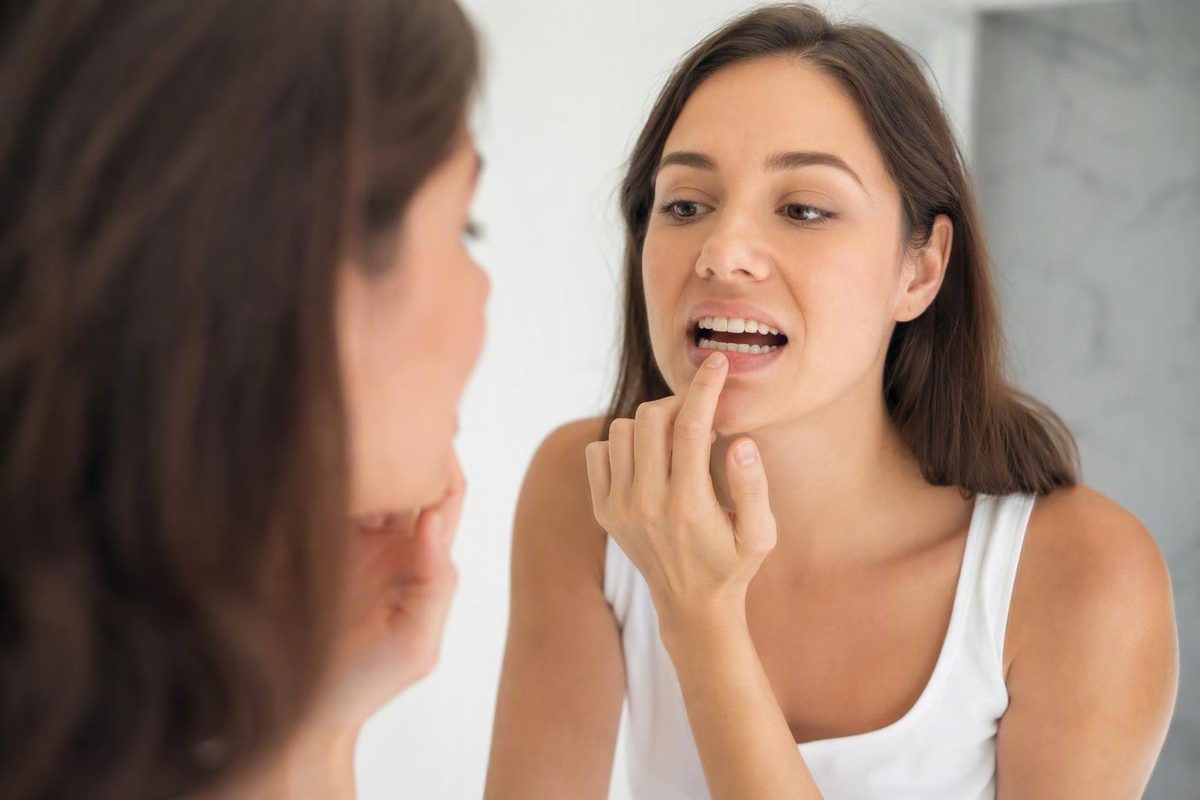
The short answer: receded gums generally do not grow back naturally
Gum tissue lost through true recession generally does not grow back on its own. Gum recession occurs when tissue around a tooth pulls away or wears down, sometimes exposing part of the root. It may involve one tooth or several and can develop gradually. Treatment can help prevent further recession and address exposed roots, but it does not make the original tissue regenerate naturally (Cleveland Clinic’s medically reviewed overview).
That answer needs an important qualification: permanent without intervention does not mean untreatable. Depending on the cause and examination findings, care may:
- Reduce inflammation and bleeding.
- Control active periodontal disease.
- Limit additional tissue damage.
- Reduce sensitivity.
- Protect an exposed root.
- Add or reposition tissue to cover part or all of a root.
These changes can improve health, comfort, appearance or root coverage. They should not be confused with spontaneous regrowth.
It is also unsafe to assume that every unusual-looking gumline represents recession.
Decay Guide is an independent information publisher, not a dental practice. It provides general education and does not diagnose conditions or recommend individual treatment (About Decay Guide).
Regrowth, healing, reattachment, and root coverage are not the same thing
Words such as “reverse,” “restore,” “heal” and “regenerate” are often used loosely. In gum care, however, they can describe very different outcomes.
Terminology: what changed?
- Natural regrowth: Lost gum tissue returns by itself. This generally does not happen after true recession.
- Reduced inflammation: Redness, swelling or bleeding improves after irritants or disease are controlled. The gums may look firmer and healthier without replacing missing tissue.
- Closer tissue adaptation: After professional treatment, healthier tissue may fit more closely around a cleaned tooth or root. This does not necessarily mean that the former attachment structures or gumline have been rebuilt.
- Symptom relief: Sensitivity, tenderness or bleeding decreases even though the gum margin remains in the same position.
- Clinical root coverage: A procedure adds tissue or moves existing tissue over an exposed root. Coverage comes from treatment, not natural regrowth.
Plaque-related inflammation can make gums red, swollen and prone to bleeding. When inflammation settles, the tissue may shrink to a healthier size, feel firmer and sit more closely against the teeth. That visual improvement is real, but it does not show that tissue lost through recession has returned.
The same distinction applies to scaling and root planing, often called deep cleaning. Scaling removes plaque and hardened deposits from above and below the gumline. Root planing smooths root surfaces to support healing and closer tissue adaptation. These procedures treat plaque-related disease; they do not rebuild a missing band of gum tissue (Delta Dental of Connecticut’s explanation of recession treatment).
Surgical terms also need careful interpretation:
- A gum graft places tissue or another suitable graft material at the affected site to increase tissue thickness or cover an exposed root.
- A tissue-repositioning procedure moves suitable existing gum tissue over the root.
- Other periodontal procedures may focus on disease or damaged supporting structures rather than the visible gumline alone.
A healthier-looking gumline after periodontal treatment, or a covered root after surgery, can be a successful result. Neither is spontaneous gum regrowth.
How to recognize possible recession—and why exposed roots matter
Possible signs include:
- One or more teeth appearing longer than before.
- A visibly changing or uneven gumline.
- A yellowish surface near the gumline that may be part of the root.
- A groove or notch near the gum margin.
- Sensitivity to cold, heat, sweets, brushing or touch.
- Repeated bleeding or swelling.
- Persistent bad breath.
- A tooth that feels mobile.
- A change in how the teeth meet when biting.
These are reasons to seek a closer look, not proof of recession or periodontal disease. Bleeding and swelling may reflect inflammation, while sensitivity, notches and longer-looking teeth can have other explanations. Recession can also progress slowly enough that a person first notices a difference between neighboring teeth rather than a dramatic change across the mouth (clinical overview of possible recession signs).
Exposed roots matter because they are not protected in the same way as tooth crowns. The crown has an enamel covering; the root does not. Root exposure can therefore increase sensitivity and vulnerability to decay (Delta Dental of South Dakota on exposed roots).
Risk should remain in proportion. Mild recession alone does not mean a tooth will become loose or be lost. The more serious concern is active periodontal disease that damages the tissues and bone supporting the teeth. As support is lost, teeth may eventually become mobile. Recession may occur alongside that process, but its appearance alone does not establish that periodontitis is present.
An examination may distinguish among:
- True recession.
- Swelling that changes the apparent gumline.
- Plaque-related gingivitis.
- Disease affecting deeper supporting tissues.
- Naturally thin or uneven gum tissue.
- Tooth-position or bite-related factors.
- Mechanical irritation or trauma.
- A defect in the tooth near the gumline.
That distinction changes the treatment goal. Cleaning can reduce plaque-related inflammation, but it does not correct continuing brushing trauma. Covering a root can alter the gumline, but it does not by itself establish that any active disease has been controlled.
Why gums recede: match the cause before choosing a response
Recession is not synonymous with periodontitis, and it does not prove poor oral hygiene. Potential contributors include:
- Plaque-related periodontal disease. Plaque can inflame gum tissue. More advanced disease may damage supporting tissue and bone and occur with recession.
- Mechanical trauma. Forceful brushing, prolonged scrubbing or hard bristles can repeatedly injure the gum margin.
- Thin tissue or inherited susceptibility. Some people naturally have tissue that is more vulnerable to recession.
- Tobacco exposure. Smoking and other tobacco use can contribute to poor gum health.
- Grinding or clenching. Excessive forces may be relevant in some cases, although symptoms alone cannot determine whether grinding is occurring or causing the recession.
- Tooth position or bite relationships. A tooth positioned toward the outside of its supporting bone may have a thinner tissue covering. Crowding, alignment and bite forces may also affect planning.
- Trauma or repeated irritation. Injury, an oral piercing or persistent contact at the gumline can contribute to a localized defect.
These contributors—and the fact that anatomical susceptibility means recession cannot always be fully prevented—are reflected in Cleveland Clinic’s summary of gum-recession causes and risk factors (Cleveland Clinic on gum-recession causes).
Identifying the likely cause matters because different responses solve different problems:
| Possible contributor | Relevant goal |
|---|---|
| Plaque-related inflammation or periodontal disease | Control inflammation and assess supporting tissue |
| Forceful brushing | Improve technique while maintaining effective cleaning |
| Thin tissue | Assess stability and whether added tissue would be useful |
| Tobacco exposure | Reduce or stop exposure |
| Grinding or clenching | Confirm whether excessive forces are present and manage them if indicated |
| Tooth or bite position | Assess whether anatomy or alignment contributes |
| Piercing, trauma or repeated irritation | Remove or control the source and evaluate the affected area |
A nightguard, orthodontic treatment or bite adjustment should not be treated as an automatic answer to a changing gumline. Those interventions address specific findings and require professional assessment.
Stopping a contributing habit may help prevent more damage. It does not guarantee that the existing gum margin will return to its former position.
A treatment ladder: stop progression, treat disease, protect the root, or restore coverage
There is no single cure that suits every case. Care is easier to understand as four separate goals. A person may need one level or a combination of them.
1. Control the cause
The first goal is to identify and reduce whatever is driving the change. General measures may include:
- Using a soft-bristled toothbrush with gentle pressure.
- Maintaining effective plaque removal, including cleaning between teeth.
- Avoiding tobacco.
- Removing a source of repeated irritation where appropriate.
- Managing clinically identified grinding, clenching or abnormal forces.
- Assessing tooth position when anatomy or alignment may be contributing.
These measures may help stabilize the area, but they do not replace lost tissue. A soft brush also does not mean ineffective brushing: plaque still needs to be removed without excessive force. Guidance commonly distinguishes preventive measures from procedures that restore coverage (Worcester Quality Dental’s overview of recession care).
2. Treat active disease
If plaque-related periodontal disease is present, professional cleaning may be appropriate. Scaling removes plaque and tartar from above and below the gumline, while root planing smooths root surfaces to support healing. The aim is to control disease and improve the tissue-to-tooth relationship—not recreate the original gumline (Delta Dental of Connecticut on scaling and root planing).
The appropriate treatment depends on examination findings. Their use, if any, depends on a clinical indication.
Where active disease is found, its management is a separate priority from elective root coverage. A procedure intended to change the gumline should not be mistaken for treatment of every underlying cause.
3. Protect an exposed root
If the principal concern is sensitivity or root vulnerability, care may focus on protection rather than moving the gumline. Depending on the tooth and clinical findings, options may include:
- Fluoride applied to the exposed area.
- Desensitizing toothpaste or another desensitizing treatment.
- Restorative care, such as bonding, to cover or reshape an affected area.
- Changes in brushing technique to reduce continuing trauma.
These measures may reduce discomfort or shield part of the root, but they do not restore the missing gum margin. A person seeking relief from cold sensitivity may therefore need a different response from someone with active periodontal disease, continuing recession or a goal of surgical root coverage (Worcester Quality Dental on nonsurgical protection).
4. Reconstruct coverage
When the goal is to increase tissue thickness or cover an exposed root, periodontal surgery may be considered.
Gum grafting adds tissue to the affected area. Depending on the technique, the tissue may come from another part of the person’s mouth or another suitable source.
Pinhole-style and other tissue-repositioning procedures move existing gum tissue over an exposed root rather than adding a conventional graft in the same way. Because repositioning requires suitable tissue, it is not an automatic alternative for every case.
Treatment descriptions from Cigna include scaling and root planing, soft-tissue grafting and other surgical approaches, with selection depending on the cause and severity of recession (Cigna’s overview of receding-gum treatment).
A clinician may consider the pattern and extent of recession, tissue characteristics, supporting structures, tooth position, anatomy, symptoms, disease activity and the intended result. These are not factors a person can reliably assess from a photograph.
A consultation should clarify the goal in specific terms:
- Control disease.
- Stabilize the site.
- Reduce sensitivity.
- Protect the root.
- Increase tissue thickness.
- Obtain partial or complete root coverage.
- Improve appearance or ease of cleaning.
No single procedure is established as best for everyone. Promises that one technique is universally easier, faster or superior should be treated cautiously.
When monitoring may be reasonable—and what a dental examination adds
Not every receding gum automatically requires surgery. Some mild, apparently stable sites may be monitored after professional assessment. There is no universal visual rule that lets someone decide from home that a site is safe to ignore.
Monitoring is an active plan. The purpose is to determine whether the site remains stable and whether an exposed root needs protection.
A dental examination can help answer broader questions:
- Is the apparent change actually recession?
- Is inflammation or periodontal disease present?
- Is a habit, local irritant or anatomical factor contributing?
- Is the root sensitive or affected by decay?
- Does the area appear stable or progressive?
- Is the goal disease control, root protection, coverage or observation?
The precise examination and any need for imaging or specialist input depend on the individual findings. Treatment choices likewise depend on cause, severity and clinical assessment rather than appearance alone (clinical guidance on examination and treatment selection).
The decision to monitor, protect or reconstruct may differ between a comfortable, stable site and one that is changing, inflamed or difficult to clean. If specialist assessment would be useful, a dentist can recommend it based on the examination rather than an appearance-based threshold.
What home care can do—and what “gum regrowth” remedies cannot promise
Home care can help control plaque, reduce repeated irritation, manage some sensitivity and limit additional damage. It cannot replace tissue already lost through recession.
A bounded routine includes:
- Use a soft-bristled toothbrush.
- Apply gentle pressure rather than scrubbing.
- Clean the gumline effectively.
- Continue appropriate interdental cleaning.
- Avoid tobacco.
- Follow professional guidance if grinding or clenching has been diagnosed.
- Use sensitivity products only for their intended symptom-management role.
“Brush gently” does not mean “barely clean.” Plaque left at the gumline can contribute to inflammation. The goal is effective plaque removal without excessive force. A dentist or dental hygienist can demonstrate a technique suited to the person’s teeth and gumline.
Desensitizing toothpaste may make an exposed root less reactive to cold, touch or other triggers. Fluoride may also be used to help protect a vulnerable root. Neither response shows that gum tissue has regrown.
The supplied evidence does not establish that salt water, baking soda, essential oils, aloe, green tea, supplements, toothpaste or mouthwash can rebuild tissue lost through recession. Some products may soothe temporary irritation, freshen the mouth or support plaque control, but those effects are different from replacing gum tissue.
Avoid turning a changing gumline into a self-treatment experiment. More scrubbing can worsen mechanical irritation, while antibiotics and medicated antimicrobial rinses should not be started simply because the gums look different. Those treatments require an appropriate clinical reason.
The realistic home-care goal is stability, not regrowth: clean effectively, avoid repeated trauma, address modifiable contributors and arrange an examination for persistent changes.
When to arrange an evaluation—and when symptoms are more urgent
Arrange a dental evaluation if you notice:
- A visibly changing gumline.
- A tooth that appears progressively longer.
- A newly visible root.
- Persistent or worsening sensitivity.
- Repeated bleeding or swelling.
- Persistent bad breath.
- A notch or defect near the gumline.
- Concern that recession is continuing.
These findings do not prove periodontal disease or any other diagnosis. They indicate that an examination would be useful.
Loose teeth, a new bite change or gums that appear to be changing rapidly deserve timely assessment because they may occur when supporting tissues are affected. Symptoms alone cannot identify the cause.
Sudden swelling, throbbing near a tooth, unexplained spontaneous bleeding or concern about an abscess warrants prompt dental assessment rather than waiting for the gums to “grow back.” The available practice-based guidance identifies these as warning signs, but a clinician must determine their cause and urgency.
The practical path is straightforward:
- Do not expect true recession to reverse spontaneously.
- Avoid aggressive brushing and unproven regrowth remedies.
- Continue gentle, effective plaque control.
- Arrange an examination to identify the cause.
- Choose the relevant goal: control inflammation, prevent progression, protect the root or reconstruct coverage.
Lost gum tissue generally will not return on its own, but recession can still be managed. Healthier tissue after cleaning, symptom relief from toothpaste and root coverage after surgery are useful but distinct outcomes. Persistent or changing signs deserve evaluation, while sudden swelling, throbbing, loose teeth or suspected infection call for more prompt attention. This article provides general education, not a diagnosis or individual treatment recommendation.
Can early gum recession reverse if I stop brushing too hard?
Stopping forceful brushing can remove an ongoing source of mechanical irritation and may help limit additional recession. Redness or irritation may also improve. Tissue already lost through true recession, however, generally will not move back simply because brushing pressure is reduced.
Use a soft-bristled brush with gentle pressure while continuing to remove plaque effectively. An examination can determine whether brushing is actually contributing and whether the area needs monitoring, sensitivity care or another response.
Can gums look healthier after a deep cleaning without growing back?
Yes. Scaling and root planing can remove deposits below the gumline and smooth root surfaces, allowing inflammation to settle and tissue to heal more closely around the teeth. Redness, swelling and bleeding may decrease even though missing gum tissue has not been replaced.
The accurate description is reduced inflammation and closer tissue adaptation—not spontaneous regrowth.
Does gum grafting make gums grow back?
Not naturally. Gum grafting places tissue over or around an affected root to increase thickness or restore coverage. The gumline may look more complete and the root may gain protection, but the result comes from a procedure rather than spontaneous regeneration.
Whether grafting is appropriate depends on professional assessment of the recession and surrounding tissues.
Can receding gums be protected without surgery?
Sometimes. Depending on the cause and findings, nonsurgical care may include controlling plaque-related disease, improving brushing technique, using fluoride or desensitizing products, or placing restorative material such as bonding over an affected area. These measures can reduce symptoms or protect the root without rebuilding the gumline.
Continuing recession, active disease or a specific root-coverage goal may require a different approach.
Do salt water, oils, aloe, toothpaste, or supplements regrow gums?
The supplied evidence does not establish that these remedies rebuild tissue lost through recession. Some may soothe irritation, support hygiene or reduce sensitivity, but those effects should not be described as gum regrowth.
Be cautious with products promising to “reverse” recession. Continue gentle cleaning and seek an examination for a changing gumline, exposed root or persistent symptoms.