
How Long Can You Go Without Brushing Your Teeth?
There is no established safe gap between brushing sessions. Learn what a missed night, several days or weeks without brushing can mean—and what can reverse.
How this site is written
Decay Guide is written by a health writer, not by a dentist, and no article here has been reviewed by a clinician. We work from public patient-education sources — the NHS, the CDC, the American Dental Association and hospital patient guides — and link to them so you can check what we say. Figures such as pocket depths are quoted as the educational benchmarks those sources use, not as thresholds you can apply to yourself. Nothing here replaces an examination.
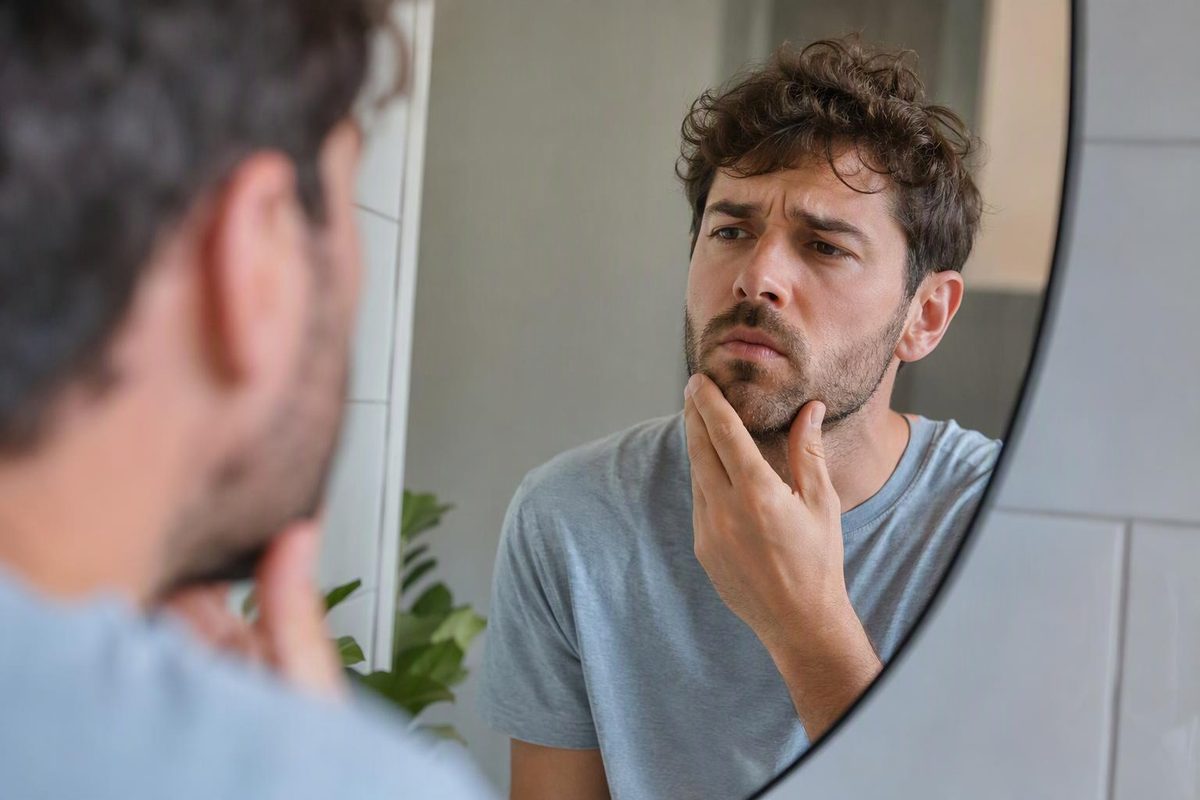
There is no established “safe” number of hours or days to go without brushing. A missed session does not automatically mean a new cavity or permanent gum damage, but plaque keeps forming rather than waiting for a deadline. (American Dental Association) The recommended routine is brushing with fluoride toothpaste twice a day for about two minutes, including last thing before bed. That is a prevention schedule—not a claim that damage begins at exactly 12 or 24 hours. (NHS)
The useful distinction is between an occasional missed session and leaving plaque undisturbed for days or weeks.
What happens as the gap gets longer?
One missed session or one night
Missing a brush leaves more opportunity for plaque—a sticky film of bacteria—to accumulate. It also misses an application of fluoride toothpaste, which helps enamel replace lost minerals. Whether decay progresses depends on the balance between acid attacks and repair, not simply the number of hours since the last brushing. (NHS, NIDCR)
There is no reason to treat one missed night as proof of damage. Returning to the regular routine is more useful than trying to calculate a remaining “safe window.”
Several days
Plaque continues to build up if it is not removed. Some can harden into tartar, which a toothbrush cannot remove; professional cleaning is needed. Plaque and tartar can trigger inflammation in the gums. This does not mean everyone develops noticeable bleeding or visible tartar on the same day. (NIDCR)
For the separate question of mineralization timing, see how long plaque takes to harden.
Around two to three weeks
This is where controlled studies provide a useful timing reference. In the classic experimental gingivitis study, 12 young people with initially clean teeth and healthy gums stopped all oral hygiene. They developed gingivitis—gum inflammation—within 10–21 days, according to the original investigator’s account. Healthy gums returned after plaque control resumed. (Löe’s account of the study)
A later pilot study of 10 adults also found increased plaque and gum inflammation after 21 days without oral hygiene. (Published pilot study)
These findings show that weeks without cleaning can be enough to cause gingivitis. They do not establish that the first nine days are safe, or predict an individual’s onset: participants started with healthy gums, and the experiments stopped all cleaning, not brushing alone.
Longer gaps
Continuing to leave plaque uncontrolled increases concern about decay and gum disease, but there is no reliable “one month equals a cavity” or “six months equals tooth loss” rule. Decay reflects repeated mineral loss over time. Periodontitis, the more advanced form of gum disease, can destroy supporting tissue and bone, with progression varying between people. (NIDCR on decay, American Dental Association)
Frequent sugary snacks or drinks and reduced fluoride exposure affect the decay balance. Persistent dry mouth also raises decay risk because saliva helps protect teeth. Smoking and diabetes increase gum-disease risk. These differences make a universal countdown misleading. (NIDCR, NIDCR on dry mouth, ADA)
What can restarting brushing reverse?
Restarting regular cleaning can remove soft plaque and help resolve plaque-related gingivitis, sometimes alongside professional cleaning. Fluoride can help stop or reverse early decay before a hole forms. A formed cavity, tartar and lost tooth-supporting tissue are not fixed by simply resuming brushing. (NIDCR on gum disease, NIDCR on decay, ADA) See also what daily brushing cannot fix.
The general routine remains twice-daily fluoride brushing and daily cleaning between teeth. Spit out excess toothpaste without rinsing immediately afterward. (NHS) Use gentle pressure and a soft-bristled brush rather than forceful scrubbing to compensate for missed days. (ADA brushing guidance)
Bleeding, painful or swollen gums, or persistent bad breath warrant a dental assessment; very sore, swollen gums or loose permanent teeth need urgent dental attention. Gum disease can also be painless, so feeling fine after a long gap does not confirm that no damage occurred. (NHS, ADA)
Decay Guide is an independent information publisher, not a dental practice. This is general information, not an assessment of an individual’s teeth or gums.