
What Neglecting the Spaces Between Your Teeth Can Actually Do
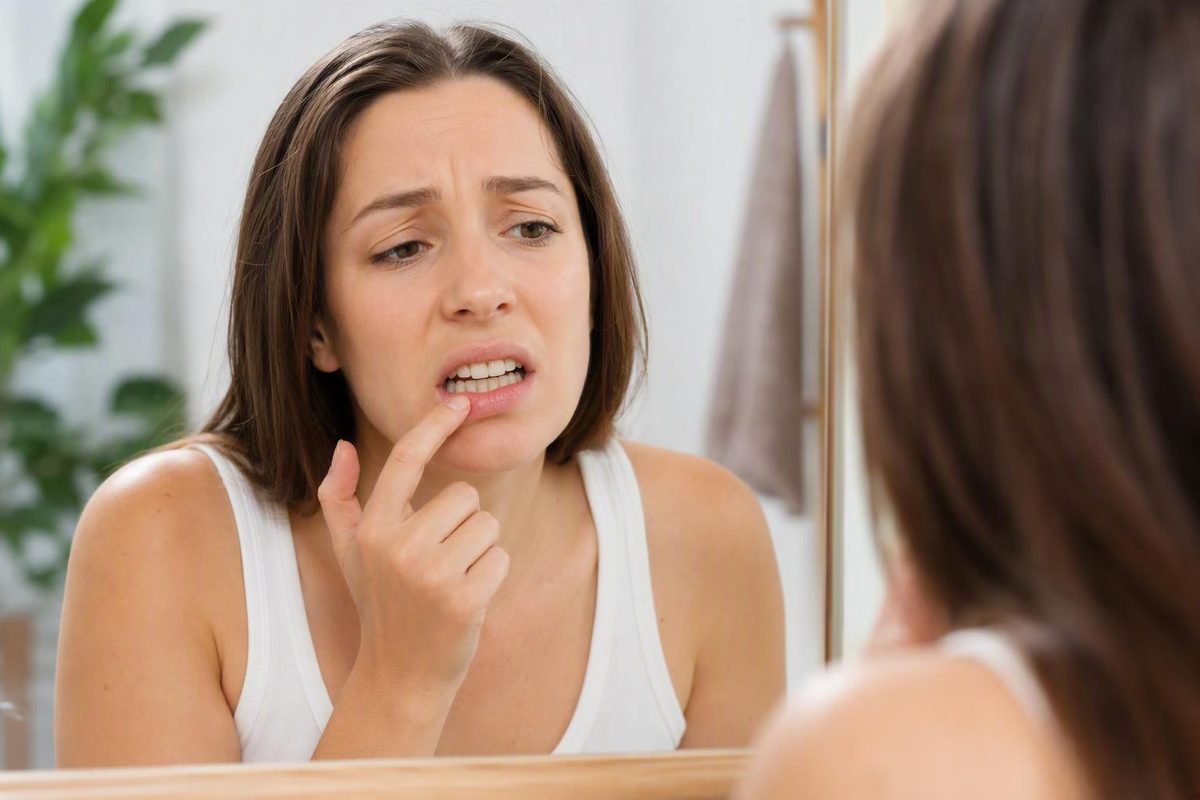
The short answer: one missed day is not the same as never cleaning between your teeth
If you routinely do not floss—or use another tool to clean between your teeth—plaque and food debris may remain in spaces that a toothbrush cannot reliably reach. Over time, this can raise the risk of bad breath, cavities between teeth, gingivitis, tartar buildup, and, in some people, periodontitis. These are possible consequences, not a guaranteed sequence. The National Institute of Dental and Craniofacial Research (NIDCR) explains that interdental cleaning disrupts plaque between teeth before it calcifies into calculus.
Missing one day is different from routinely leaving these areas uncleaned. In an NIDCR expert interview, Dr. Jennifer Webster-Cyriaque describes an occasional missed day as unlikely to be harmful. The larger concern is a continuing pattern in which interdental plaque repeatedly remains undisturbed.
Your mouth does not cross an irreversible threshold the first night you forget to floss. Nor does everyone who rarely floss inevitably develop cavities, severe gum disease, or tooth loss. The concern is cumulative: plaque remains in a vulnerable location, bacterial activity continues, and opportunities to remove the buildup are repeatedly missed.
It is also important to separate the preventive goal from a particular product. People commonly use floss as shorthand for cleaning between their teeth, but string floss is only one method. Interdental brushes, floss holders, picks, threaders, and water flossers are other possible options. The practical question is not simply, “Did I use string floss?” It is, “Did I effectively clean the spaces my toothbrush did not?”
A balanced summary looks like this:
- One missed day: unlikely to cause serious harm; resume your routine.
- Occasional inconsistency: may allow more plaque to remain, but does not predict a specific disease.
- Routine neglect: raises the chance that plaque, debris, inflammation, decay, odor, and hardened deposits will become persistent problems.
- Long-term untreated periodontal disease: may damage the structures supporting the teeth, potentially contributing to loose teeth or tooth loss.
The useful response is consistency rather than panic. If you have not cleaned between your teeth recently, starting again is worthwhile. If you have persistent bleeding, swelling, pain, hard deposits, gum recession, or loose teeth, home cleaning may not be enough and professional assessment is appropriate.
Why brushing alone can leave a problem behind
Brushing and interdental cleaning do different, complementary jobs. A toothbrush cleans the exposed outer, inner, and chewing surfaces it can contact. It may be less effective where neighboring teeth meet and along nearby gum margins.
What remains there is not necessarily just a visible piece of food. Dental plaque is a sticky biofilm made up of bacteria and food particles.
This helps explain why a mouth can feel freshly brushed while plaque remains between adjacent teeth. Toothpaste flavor, smooth front teeth, and removal of loose debris create a sense of cleanliness, but those sensations do not confirm that the hidden side surfaces have been cleaned.
There are two related but distinct targets:
- Adherent plaque. This bacterial film may not be visible or noticeable, yet it can remain on tooth surfaces and beside the gums.
Removing a visible piece of food does not necessarily remove the biofilm coating the neighboring teeth. The mechanical goal of interdental cleaning is to contact those surfaces and disrupt plaque without injuring the gums.
With string floss, the strand should be guided against the sides of the neighboring teeth rather than merely passed through the contact point. Whatever tool is used, it should not be forced through a space or handled so aggressively that it repeatedly injures the tissue.
None of this makes brushing less important. Interdental cleaning complements brushing; it does not replace it. Brushing covers broad, accessible surfaces, while interdental cleaning addresses areas that a toothbrush may not reliably contact.
How difficult those areas are to clean varies. This variation is one reason claims that brushing cleans an exact percentage of every person’s tooth surfaces are not useful.
The practical test is whether the cleaning method reaches the surfaces in question. Applying more pressure to a toothbrush does not make its bristles reliably enter every interdental space. A suitable interdental method is more appropriate than trying to make one tool perform every job.
Plaque versus tartar: the point home cleaning cannot undo
Plaque and tartar are often discussed as though they were interchangeable, but the difference determines what home care can accomplish.
Plaque is a soft, sticky bacterial biofilm. It forms on teeth and can be disrupted by brushing and effective interdental cleaning. It may be difficult to see, although heavier buildup can sometimes make teeth feel fuzzy or less smooth.
Tartar, also called calculus, is plaque that has absorbed minerals and hardened. Once calculus is established, ordinary brushing and flossing cannot remove it; professional dental instruments are required. NIDCR clearly distinguishes removable plaque from hardened calculus in its guidance on interdental cleaning.
This is the point at which trying harder at home does not solve the existing deposit. Floss may remove newer plaque beside tartar, but it does not turn hardened calculus back into soft plaque.
There is no reliable universal deadline at which all plaque becomes tartar. Sources give varying timelines, and mineralization differs by person and location. A countdown such as “all plaque hardens after a set number of hours” creates false precision. The meaningful distinction is whether the deposit is still soft and removable or has become hard and adherent.
That distinction matters if you are restarting interdental cleaning after a long gap:
- Current soft plaque can still be removed. Starting now can reduce ongoing accumulation.
- Loose debris can be cleared. This may improve comfort and remove one possible source of odor.
- Plaque-related gum inflammation may improve. Whether it does depends on the cause and whether more advanced disease is present.
- Existing calculus will remain. It generally requires professional removal.
- Damage to tooth-supporting tissues is not repaired by flossing. Better home care can support disease control but cannot reverse established destruction.
Persistent hard deposits, particularly near the gumline, are a reason to arrange an examination rather than repeatedly attacking the area with more force.
Gentleness matters. The aim is to guide floss along a tooth surface, not snap it into the gums or saw aggressively. Forceful flossing can cause soreness and bleeding, and pushing too deeply can traumatize gum tissue, according to AZ Family Dental’s technique overview.
The plaque–tartar distinction creates a useful boundary: home cleaning can control fresh plaque, but it cannot remove every consequence of past accumulation. Restarting is valuable, while recognizing when professional instruments are needed.
Four possible consequences of routinely not cleaning between teeth
Not cleaning between teeth can contribute to several problems with different mechanisms and levels of severity.
1. Bad breath
Retained food can break down between teeth, while bacterial activity in plaque may contribute to unpleasant odors. Cleaning those areas may help when interdental debris or plaque is part of the problem. Expert Dental identifies trapped food and bacterial growth between teeth as possible contributors to bad breath in its overview of the risks of not flossing.
Bad breath can have other causes, however. Persistent odor is not proof that someone simply needs to floss harder. If it continues despite regular cleaning, a dental professional can help determine whether an oral problem may be involved.
2. Cavities between teeth
Plaque retained against the side surfaces of neighboring teeth can support bacterial activity that damages enamel and contributes to decay. Because the affected surfaces face each other, interdental cavities may be difficult to notice without a dental assessment.
This is why a person can brush consistently and still develop decay between teeth. Good brushing lowers plaque on surfaces the bristles reach, but it does not guarantee that every contact area is clean. Interdental cleaning addresses that gap, although it cannot guarantee that cavities will never develop.
Cleaning can reduce further plaque accumulation around the area, but suspected decay requires professional assessment.
3. Gingivitis
Plaque that persists close to the gumline can cause gingivitis, an inflammation of the gums. Redness, swelling, tenderness, and bleeding can accompany it. Plaque-related gingivitis is generally preventable and reversible with effective plaque control, unlike the deeper tissue destruction involved in periodontitis.
Bleeding is not plaque itself. It is a sign that tissue is inflamed, irritated, injured, or affected by another issue. Removing plaque may help when plaque is the cause, while aggressive cleaning can worsen bleeding by traumatizing the gums.
Gingivitis does not mean that supporting bone has already been destroyed. It describes inflammation limited to the gums, not the deeper damage of periodontitis. Even so, redness or bleeding should not be used to diagnose yourself.
4. Periodontitis
Periodontitis is a more serious inflammatory disease affecting the structures that support teeth. If it develops and remains untreated, pockets may form around teeth and supporting gum tissue and bone can be damaged. Advanced periodontal destruction may contribute to recession, loose teeth, and eventual tooth loss. Gentle Dental’s overview describes this as a possible progression rather than an immediate result of missed flossing.
This is the severe outcome people often fear when asking what happens if they do not floss. It is possible, but it is not an automatic destination for everyone who skips interdental cleaning.
It is also too simplistic to say that one missed habit directly causes tooth loss. A more accurate pathway is that persistent plaque can promote inflammation; untreated periodontitis can damage supporting structures; and sufficiently advanced destruction may make teeth unstable. Each step depends on time, individual susceptibility, and whether the condition is identified and managed.
Claims that failure to floss directly causes heart disease, stroke, diabetes, Alzheimer’s disease, respiratory disease, or another systemic illness go beyond the evidence supplied here. Associations involving periodontal disease do not prove that not flossing caused another illness. The relevant focus is on oral outcomes: plaque retention, interdental decay, gingivitis, tartar, and periodontal damage.
What happens over time—and why there is no universal schedule
The most defensible timeline is a sequence, not a calendar.
First, plaque and debris remain between teeth. If those areas are repeatedly left uncleaned, plaque may accumulate and bacterial activity continues. From there, gums may become inflamed, enamel may be damaged, and some plaque may mineralize into calculus. If periodontal inflammation becomes established and remains unmanaged, deeper supporting structures may eventually be affected.
That sequence does not justify predictions such as:
- guaranteed gingivitis after one week;
- tartar after an exact number of hours;
- cavities by a particular month;
- periodontitis after a month without flossing; or
- tooth loss after a fixed number of years.
Plaque-related gum inflammation may begin relatively quickly in a susceptible person, but an early inflammatory change is not equivalent to irreversible periodontal destruction. NIDCR notes that susceptibility differs and that periodontitis generally develops over months or years rather than after one or a few missed cleaning sessions.
Cavities also do not appear on a universal schedule. Their development reflects damage accumulating over time, and the fact that someone does not floss is not enough to predict whether or when a cavity will form.
Tartar formation is similarly unsuitable for a universal deadline. Plaque can mineralize, but the rate and amount vary. If a deposit is already hard, the practical issue is professional removal—not determining the precise hour when it hardened.
Gingivitis does not always progress to periodontitis. Effective plaque control and appropriate dental care may allow plaque-related gingival inflammation to resolve before deeper damage occurs.
The available evidence does not provide a useful personal probability from the statement “I do not floss” alone. It supports a direction of risk: regularly leaving plaque undisturbed is less protective than cleaning interdental surfaces effectively. It does not permit a precise forecast of which condition a particular person will develop or when.
A practical way to think about time is:
- After an isolated missed cleaning: resume the routine rather than assuming serious damage has occurred.
- During repeated neglect: plaque has more opportunities to persist, making inflammation, odor, decay, and mineralization more plausible.
- After a long gap: restart gently, while recognizing that established calculus or disease may require professional care.
- When symptoms are present: respond to the symptom rather than relying on an internet timeline.
Risk accumulates through repeated exposure. There is no countdown clock to tooth loss and no single deadline that applies to every mouth.
What may be reversible and what needs professional care
The effects of not cleaning between teeth are easier to understand when divided into what home plaque control can often improve and what it cannot undo.
Soft plaque is removable. Effective brushing and interdental cleaning can disrupt it. Even after a long gap, removing current plaque is worthwhile because it reduces ongoing accumulation.
Plaque-related gingivitis is generally reversible. When inflammation is limited to the gums and driven by plaque, improved plaque removal can allow the tissue to recover. That does not mean every red or bleeding area is gingivitis or that symptoms will disappear on a fixed schedule.
Established tartar is not removable with ordinary home care. Once plaque has hardened into calculus, professional instruments are generally required. Flossing may remove fresh plaque around a deposit, but the hard material remains.
A formed cavity is not repaired by flossing. Better interdental cleaning can reduce plaque around the area, but it is not restorative treatment. A dental professional must determine how suspected decay should be managed.
Periodontal tissue and bone destruction are not reversed by home flossing. Periodontitis requires professional assessment and management. Home cleaning remains important for plaque control, but it cannot by itself restore supporting tissue already destroyed. Archer Dental’s explanation likewise distinguishes reversible early gingivitis from periodontitis requiring professional intervention.
This framework avoids two opposite mistakes. The first is fatalism: “I have not flossed for years, so there is no point starting.” The second is overconfidence: “I started flossing, so any tartar, cavity, bleeding, or gum disease will now fix itself.”
A more realistic approach is:
- Begin or resume gentle interdental cleaning with a tool you can use consistently.
- Continue brushing rather than substituting one practice for the other.
- Do not attempt to scrape off suspected tartar yourself.
- Pay attention to persistent bleeding, swelling, odor, pain, recession, or tooth mobility.
- Arrange a dental assessment when symptoms or hard deposits suggest home care may not be enough.
Starting now can change what happens next, even if it cannot reverse everything that happened before. The key distinction is between current plaque, which can be disrupted at home, and hardened deposits or established disease, which require professional care.
If string floss is difficult, the real goal is still achievable
String floss can contact the curved side surfaces of adjacent teeth when used effectively, but it is not the only way to clean between teeth and is not practical for everyone.
Possible alternatives include:
-
Interdental brushes, which pass into interdental spaces and contact neighboring surfaces.
-
Floss picks, which may simplify handling.
-
Threaders, which help guide floss beneath some dental work or appliances.
-
Other specialized cleaning tools recommended for particular dental work.
The evidence supplied here does not establish that water flossers are categorically better than, equal to, or worse than string floss for every person or outcome. It also does not identify one universally best tool for braces, bridges, implants, tight contacts, open spaces, or limited dexterity.
Usability matters because a tool that remains in a drawer does not remove plaque. A method that can be handled comfortably and consistently, without repeatedly injuring the gums, may be more useful in practice than one a person cannot manage.
Tool selection can be approached with a few general questions:
- Can the tool enter the space without being forced?
- Does it contact the tooth surfaces?
- Can it be controlled without repeatedly injuring the gums?
- Does existing dental work affect how it must be used?
- Can it be used consistently?
Floss holders and picks may simplify handling. Threaders and water flossers are also commonly discussed as options for people who find string manipulation difficult or who have dental appliances or restorations. People with braces, implants, bridges, or complex dental work should ask a dental professional for tool-specific instruction rather than assuming one method fits every situation.
The research base deserves proportion. Evidence summarized by NIDCR suggests that adding floss or interdental brushes to toothbrushing may modestly reduce plaque, gingivitis, or both. However, large, long-term flossing studies are limited, and much of the evidence measures short-term plaque or gingivitis rather than decades-long outcomes such as tooth retention.
That limitation does not mean cleaning between teeth is pointless. It means the claims should remain measured: interdental cleaning has a clear mechanical purpose and may improve plaque and gingivitis outcomes, but it is not a guarantee against every cavity or future dental procedure.
The goal is consistent plaque disruption with a suitable, gentle method—not loyalty to a package labeled “floss.”
Bleeding, swelling, odor, and other signs that merit attention
Light bleeding when you restart flossing may occur when plaque-related inflammation has made the gums more prone to bleeding. Rough technique can also injure the tissue. Bleeding should therefore be noticed rather than automatically dismissed as harmless.
Use a controlled motion. Guide floss through the contact rather than snapping it into the gums, and avoid forcing any interdental tool through a space. More force does not produce a better clean; it can cause soreness and bleeding.
Arrange a dental assessment if you notice:
- persistent, heavy, painful, spontaneous, or otherwise concerning bleeding;
- ongoing gum swelling, redness, or tenderness;
- gum recession;
- persistent bad breath despite regular cleaning;
- visible hard deposits or a continuing rough area near the gumline;
- ongoing or unexplained dental pain;
- loose or shifting teeth; or
- concern that gum disease or cavities may already be present.
These signs do not establish a diagnosis on their own. Bleeding, for example, may reflect plaque-related inflammation, local injury, or another issue. The purpose of an examination is to determine the cause rather than assuming that increasingly aggressive flossing will resolve it. A dentist-authored practice article also advises seeking professional attention for heavy bleeding when resuming flossing (Brumbach Family Dentistry).
Professional care is particularly relevant when calculus or periodontitis may already be present. Home cleaning can remove current soft plaque, but it cannot remove established calculus or reverse destruction of the tissues supporting teeth.
The most useful conclusion is not the fear-based question, “Will not flossing make me lose my teeth?” It is this: routinely leaving interdental spaces uncleaned allows plaque to remain and raises preventable risks. One missed day is unlikely to cause serious harm, and restarting with a usable method is worthwhile. Plaque can be disrupted at home; hardened tartar and suspected periodontitis need professional attention.
Decay Guide is an independent information publisher, not a dental practice. This article provides general reference information and cannot diagnose symptoms or determine the right care for an individual.
Frequently asked questions
Is missing one day of flossing harmful?
An occasional missed day is unlikely to cause serious harm, according to the expert assessment published by NIDCR. Resume cleaning between your teeth rather than compensating with forceful or repeated flossing. The greater concern is a routine pattern that leaves interdental plaque undisturbed.
Can brushing really well replace flossing or another interdental cleaner?
Not reliably. Brushing remains essential, but toothbrush bristles may not adequately contact the surfaces where adjacent teeth meet. Interdental cleaning complements brushing by reaching those areas.
The tool may be string floss, an interdental brush, a holder, a pick, a threader, or a water flosser. No one option is established here as universally best.
Is it too late to start flossing after years without it?
No. Starting now can remove current soft plaque and improve ongoing plaque control. If the gums have plaque-related gingivitis, improved cleaning may allow the inflammation to recover.
Restarting cannot remove established tartar or reverse periodontal tissue destruction. A long gap accompanied by persistent bleeding, swelling, recession, odor, pain, hard deposits, or loose teeth warrants professional evaluation.
Can I use a water flosser or interdental brush instead of string floss?
Potentially. The objective is to disrupt plaque between teeth, not to use string floss at all costs. Interdental brushes and water flossers are among the options, along with holders, picks, and threaders.
The practical choice depends on whether the tool reaches the area, can be controlled gently, and can be used consistently. If you have braces, bridges, implants, or complex restorations, seek tool-specific guidance from a dental professional.
Why do my gums bleed when I start flossing again?
Plaque-related inflammation can make gums bleed more easily, while rough technique can also injure them. Guide floss rather than snapping it, and do not force it into the tissue.
Do not assume all bleeding is harmless. Persistent, heavy, spontaneous, painful, or otherwise concerning bleeding—particularly with swelling, recession, persistent odor, pain, or loose teeth—should be professionally assessed.