
Receding gums rarely have just one possible cause
Gum recession can result from periodontal disease, forceful brushing, thin tissue, tooth position, tobacco or local injury. Learn what an exam can show.
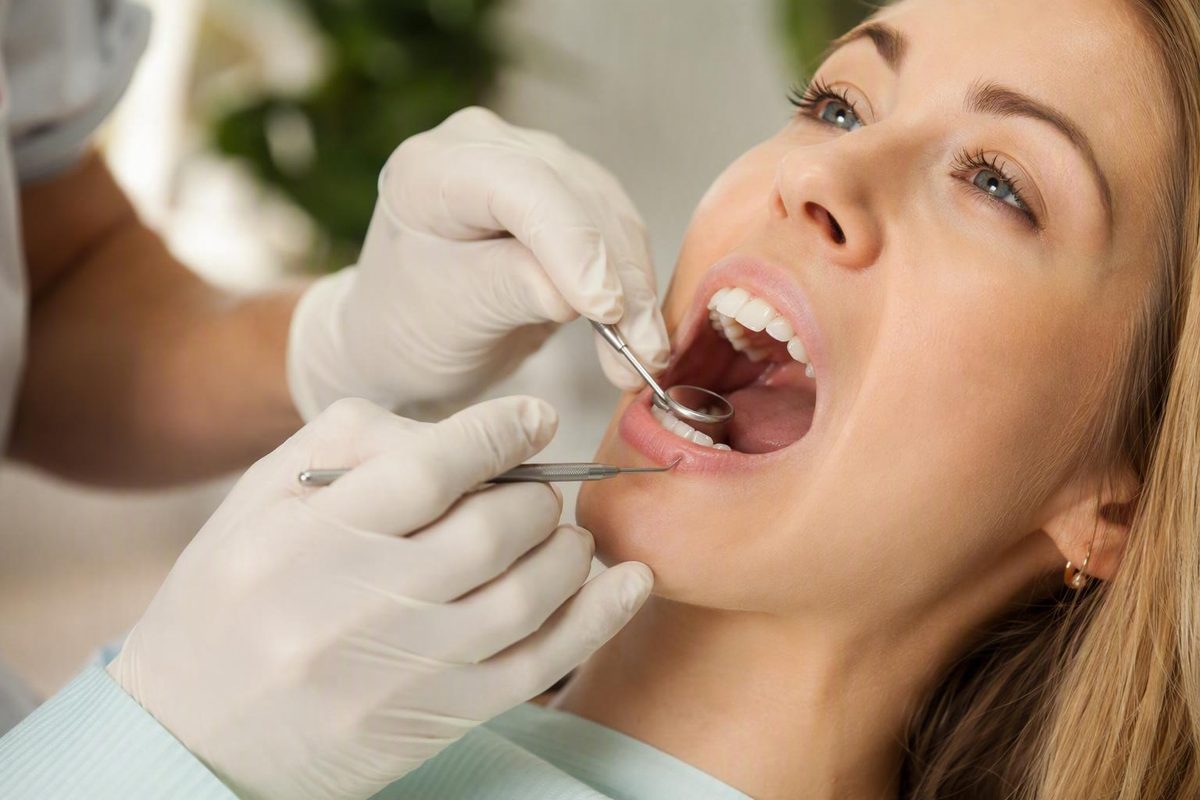
Receding gums occur when the gum edge moves down the root of a lower tooth or up the root of an upper tooth, leaving more of the root exposed. A tooth may look longer, develop sensitivity or show a notch near the gumline. Recession can affect one tooth or several, and the appearance alone does not identify its cause.
The main possibilities are periodontal disease, repeated mechanical injury and anatomy that leaves a tooth with little tissue or bone covering its outer surface. More than one can act together.
Periodontal disease can destroy the supporting tissues
Plaque that remains around the gumline can trigger inflammation. If this progresses to periodontitis, the inflammation damages the gums, periodontal attachment and supporting bone. As support is lost, the gum edge may recede. Bleeding, swelling, persistent bad breath, deeper gum pockets or loose teeth make periodontal disease more concerning, although not everyone has obvious pain. The US National Institute of Dental and Craniofacial Research explains that plaque and tartar can trigger inflammation that damages the gums and supporting tissues; X-rays and pocket measurements help assess whether bone or attachment has been lost (NIDCR).
This is why brushing regularly does not rule out gum disease. Plaque can remain between teeth or below the gumline, and hardened tartar requires professional removal. For a fuller comparison, see gum recession and gum disease.
Repeated friction or injury can move the gumline
Forceful, repetitive brushing can injure a delicate gum margin over time, particularly when combined with a hard brush, a horizontal scrubbing motion or an abrasive product. That does not mean brushing itself is harmful: plaque control protects the gums. The concern is repeated trauma, not ordinary gentle cleaning. A recent review found that excessive pressure and improper technique can contribute to gingival recession and cervical tooth wear (Kumar et al., 2025).
A soft brush and light pressure are sensible defaults. Do not stop cleaning a receded area because it bleeds or feels sensitive; instead, ask a dental professional to demonstrate a technique suited to that site. Our guide to brushing the gums gently explains the basic approach.
Other local injuries matter too. Lip or tongue jewelry can repeatedly rub against one area, and the American Dental Association lists gingival injury and recession among possible complications of oral piercings (ADA). An accidental injury or poorly fitting oral appliance may also warrant assessment when recession is confined to the contact area.
Thin tissue and tooth position can make recession easier
Some teeth naturally have a thin layer of gum and outer bone. A tooth that sits prominently or outside the ideal bony envelope may have even less support on its lip or cheek side. A high or tight frenum—the fold connecting the lip to the gum—can also add tension near the gum edge. These features do not guarantee recession, but they can make the area less tolerant of inflammation or repeated friction (Consolaro et al., 2016).
Orthodontic treatment is therefore not a simple yes-or-no cause. Tooth movement may increase susceptibility if a tooth is moved toward very thin bone or develops a bone dehiscence, but the evidence reviewed by Consolaro and colleagues does not support treating orthodontics alone as the primary cause in every case (Consolaro et al., 2016).
Tobacco raises the risk, often through periodontal damage
Smoking is a major modifiable risk factor for periodontal disease and is associated with more recession, deeper pockets and tooth loss. It can also impair healing. A review of tobacco’s oral effects reported that smokers have more gingival recession than nonsmokers and cited an increased risk of periodontitis (Holliday et al., 2023). Tobacco is better understood as a risk factor rather than proof of why one particular gumline has moved.
Age itself is also not a complete explanation. Recession becomes more common over time because teeth have had longer exposure to inflammation, friction and other contributing factors; it should not automatically be dismissed as unavoidable aging (Consolaro et al., 2016).
Sometimes treatment reveals recession that was already developing
After deep cleaning or periodontal surgery, swollen inflamed tissue can shrink as it heals, making roots look newly exposed. Periodontal procedures can also result in recession. This does not necessarily mean treatment created the underlying loss of support; reduction of swelling may reveal it (Consolaro et al., 2016).
What an examination needs to determine
A dental examination can distinguish isolated mechanical recession from periodontal disease and assess gum thickness, tooth position, brushing wear, pockets and bone levels. Arrange an assessment if the gumline is newly changing, sensitivity persists, roots are exposed, or bleeding and swelling recur. Seek urgent dental care for very sore, swollen gums, a new lump, or teeth becoming loose (NHS).
Lost gum from established recession generally does not grow back by itself, although treating inflammation or trauma may help prevent further loss. Depending on the cause and impact, management may involve changing cleaning technique, treating periodontal disease, addressing a local irritant or considering grafting. Gum grafts aim to improve stability and comfort, but complete root coverage is not always possible (Leeds Teaching Hospitals NHS Trust). See can gums grow back? for the difference between healing and replacement of lost tissue.