
Foods to Avoid After Teeth Whitening: What Matters
Learn which foods can stain teeth or trigger sensitivity after whitening, what to eat instead, and why a strict 48-hour white diet is not well supported.
How this site is written
Decay Guide is written by a health writer, not by a dentist, and no article here has been reviewed by a clinician. We work from public patient-education sources — the NHS, the CDC, the American Dental Association and hospital patient guides — and link to them so you can check what we say. Figures such as pocket depths are quoted as the educational benchmarks those sources use, not as thresholds you can apply to yourself. Nothing here replaces an examination.
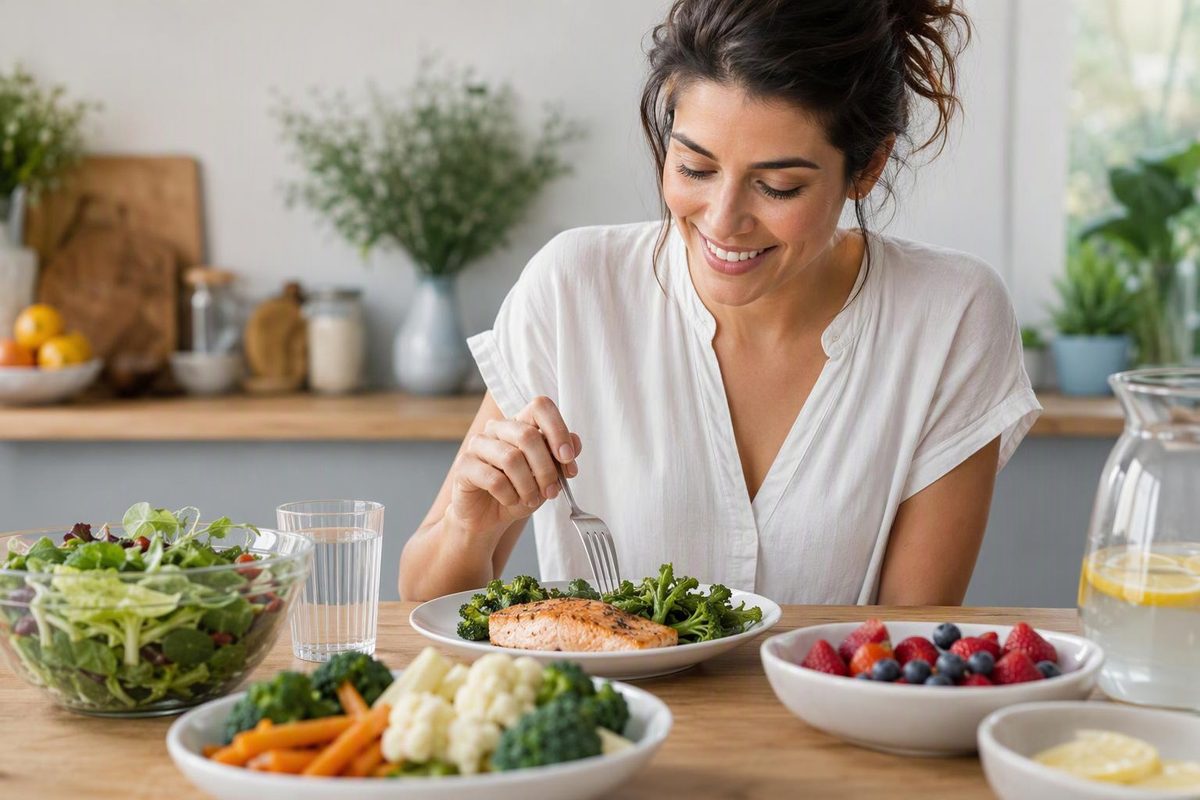
After teeth whitening, the main things to limit are frequent staining drinks, repeated acidic exposures, and foods that trigger sensitivity. These are different concerns—not a single list of foods that will “ruin” whitening.
A strict diet of only white foods is not generally supported by clinical research. A systematic review published in the Journal of Dentistry in 2025 found no statistically significant difference in whitening results between a white diet, an unrestricted diet, and diets supplemented with common staining drinks. The evidence was rated moderate quality. Follow any specific instructions supplied by your treating dentist or whitening product rather than substituting a generic online timetable. Review of seven clinical studies
Foods and drinks worth limiting
| Food or drink | Why it matters | Practical alternative |
|---|---|---|
| Coffee, tea and red wine | Their pigments can cause surface staining over time. | Make plain water your main drink; reduce frequent staining drinks if maintaining the shade is a priority. |
| Dark juices, berries, beetroot, tomato sauce, turmeric-rich curry, soy sauce and balsamic vinegar | These can contribute to staining, but they are not proven to cancel a whitening treatment. | Choose a less-pigmented sauce or meal when convenient; there is no need to remove nutritious produce from your diet. |
| Citrus juice, lemonade, soda, sports drinks and sour candy | Acidity can contribute to enamel erosion—a separate issue from staining. A clear or sugar-free drink is not necessarily tooth-friendly. | Choose plain water more often and have acidic foods with meals rather than repeatedly between meals. |
| Ice cream, iced drinks or sweet foods that cause twinges | Whitening can temporarily make teeth sensitive. Avoiding a trigger is about comfort, not protecting the colour. | Choose foods and drinks at a comfortable temperature while sensitivity settles. |
The ADA identifies coffee, tea and red wine as major staining sources. Bupa’s dental guidance also lists the pigmented foods above, while explicitly noting that they do not all need to be cut out. ADA guidance on staining, Bupa’s food and drink list
Limiting repeated acidic exposures protects enamel generally; it is not a special rule for newly whitened teeth. Acid-related enamel loss is permanent, and bleaching does not reverse it. Whitening sensitivity, by contrast, is usually temporary and does not by itself establish that enamel has eroded. Cold and sweet foods or drinks can trigger this sensitivity. ADA guidance on erosion, ADA guidance on whitening sensitivity, NHS side-effect guidance
Do you need to avoid coloured foods for 24–48 hours?
There is no well-established universal 24- or 48-hour white-diet requirement. A 2024 systematic review found that dietary restrictions did not significantly improve clinical whitening outcomes during treatment or at one-month follow-up after treatment. However, the authors noted a lack of extended clinical follow-up, so this does not mean diet can never affect long-term staining. Systematic review and meta-analysis
The useful distinction is:
- Whitening effectiveness: current clinical evidence does not show a benefit from avoiding all dietary pigments.
- Long-term shade maintenance: regular coffee, tea and red wine consumption can still contribute to new surface stains.
- Comfort: cold or sweet foods may need temporary avoidance if they hurt.
If your dentist specified a restriction period, follow that treatment-specific plan or ask why it applies. For strips or trays, check the instructions about eating, drinking and removing residual gel. Evidence about dietary pigments does not override instructions for eating or drinking while a whitening product is in place.
What can you eat instead?
There is no need to live on rice and milk. For a simple, comfortable meal, options include eggs and toast, oatmeal, plain pasta, rice with chicken or tofu, or potatoes with cooked vegetables. These are meal ideas—not a medically required “safe foods” list. Use a comfortable serving temperature if your teeth are sensitive.
After something acidic, rinse with water rather than immediately scrubbing your teeth. The ADA suggests waiting an hour before brushing after acidic foods; see brushing timing after meals for the distinction between acidic and ordinary meals. ADA dietary-acid guidance
One coffee or coloured meal is not a reason to add extra whitening sessions. Overusing whiteners can damage enamel or gums. If sensitivity develops, pause whitening; contact a dentist if side effects bother you or pain persists. Our guide to sensitive teeth after whitening explains which pain patterns deserve closer attention. ADA safety guidance, NHS side-effect guidance
Decay Guide is an independent information publisher, not a dental practice. This article provides general reference information, not individual treatment advice.