
Lower Your Cavity Risk With a More Protective Daily Routine
Build a cavity-prevention routine with fluoride toothpaste, fewer sugar exposures and between-teeth cleaning, plus care for dry mouth and early decay signs.
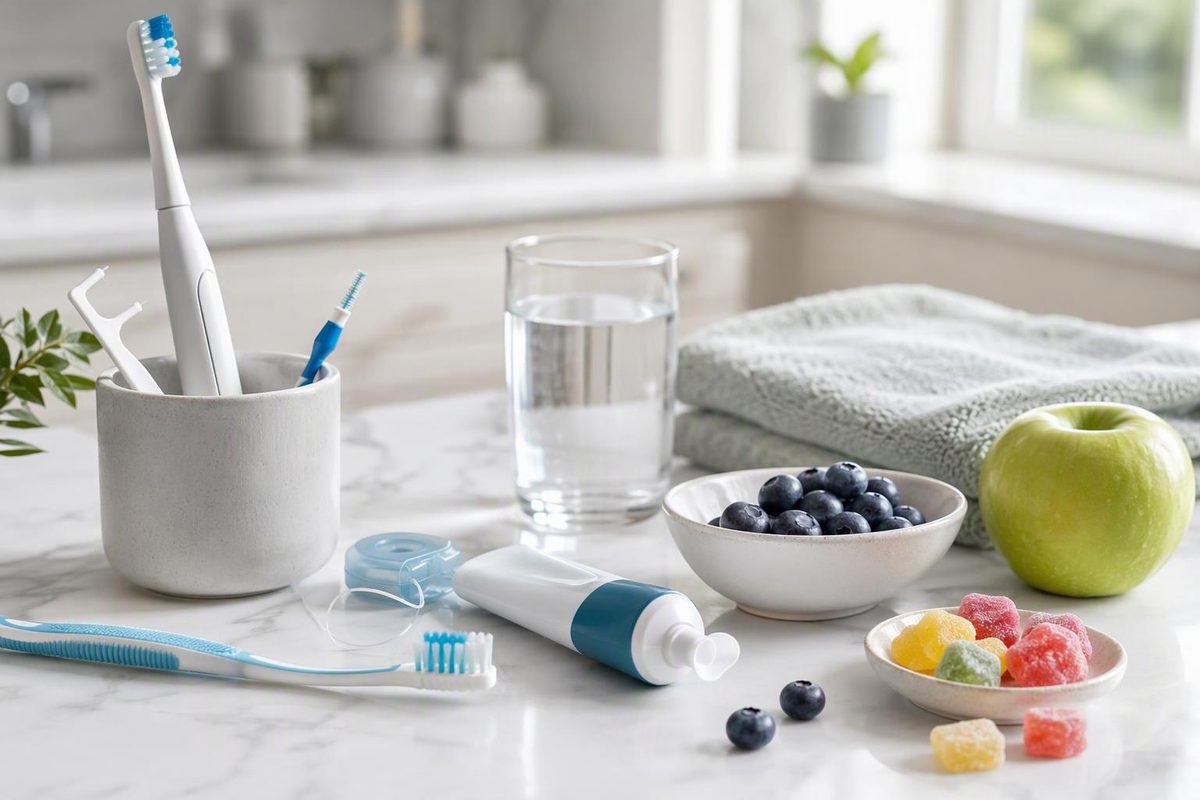
To avoid cavities, brush twice daily with fluoride toothpaste, clean between teeth daily, reduce sugary food and drink, and have dental check-ups at intervals suited to your risk. The NHS recommends combining these measures. They lower risk rather than guarantee cavity-free teeth: brushing alone does not cancel out frequent sugar exposure or a persistently dry mouth.
Choose your symptoms, dry-mouth status and main routine gap to see what to address first.
Your Next Cavity-Prevention Step
First Priority
Make Fluoride Brushing Consistent
Brush for about two minutes, twice daily, including last thing before bed. Spit out toothpaste without immediately rinsing with water.
For adults, NHS guidance recommends at least 1,350 ppm fluoride toothpaste. Children need age-specific toothpaste amounts and supervision.
This selects a next action, not a diagnosis or a cavity-risk score. Keep the other prevention measures in place.
Sources: NHS tooth-decay and tooth-cleaning guidance; NIDCR tooth-decay and dry-mouth guidance, cited in the article.
Decay begins when bacteria in plaque—the sticky film on teeth—use sugars and starches to produce acids. Those acids remove minerals from enamel, the tooth’s hard outer layer. Saliva and fluoride help replace lost minerals, but repeated acid exposure can overwhelm that repair process and eventually create a hole. NIDCR explains this balance between mineral loss and repair.
A useful prevention routine works on both sides of that balance. Fluoride supports repair; less frequent sugar exposure reduces repeated acid attacks; cleaning removes plaque from accessible surfaces. Dental care addresses early damage and needs that a home routine may not cover. If you already have pain, new sensitivity or a suspected hole, prevention still matters, but it is not a substitute for having that tooth assessed.
Make Fluoride Brushing the Foundation
Brush for about two minutes, twice a day, including last thing before bed and once at another time. Clean the inside, outside and chewing surfaces of every tooth, rather than repeatedly brushing only the easy-to-reach areas. Treat the time as an opportunity to cover all the surfaces, not merely to keep the brush moving over the front teeth.
For adults, NHS guidance recommends toothpaste containing at least 1,350 parts per million (ppm) fluoride. Check the packaging for the concentration. A product’s flavour, whitening claim or appearance does not tell you whether it meets that fluoride recommendation. If your current toothpaste is non-fluoride, more careful brushing does not replace the benefit of using fluoride toothpaste.
After brushing, spit out excess toothpaste without rinsing immediately with water. This leaves fluoride on the teeth longer. If you use a fluoride mouthwash, use it at a separate time, such as after lunch—not straight after brushing—and avoid eating or drinking for 30 minutes afterward. These are the NHS recommendations for tooth cleaning.
That distinction makes the end of the routine worth checking. Someone may brush consistently but immediately wash away the toothpaste with water or mouthwash. The practical change is not necessarily to add another product; it may be to stop rinsing after brushing and move an existing mouthwash to another time.
The toothpaste matters, not just the brushing action. A 2019 Cochrane review found that fluoride toothpaste reduces decay compared with non-fluoride toothpaste, including in adults. Evidence for many comparisons between different fluoride strengths was less certain. Higher-strength products are something a dentist may recommend according to need, rather than a universal requirement.
For young children, toothpaste quantity and supervision matter. NHS guidance recommends a smear under age three, a pea-sized amount from three to six, and help or supervision until at least seven. These child-specific instructions should not be replaced with the adult routine. For more age-specific guidance, see preventing cavities in children.
Reduce Sugar Intake and Repeated Exposure
There are two separate changes worth making: consuming less sugar overall and avoiding repeated sugary snacks or drinks throughout the day. Addressing only one can leave the other part of the pattern unchanged. For example, a smaller sweetened drink can still mean prolonged exposure if you sip it repeatedly between meals.
“Free sugars” include added sugar plus sugars in honey, syrups and fruit juice. Juice therefore counts even when it has no added sugar. The World Health Organization identifies free sugars as a major decay risk. When checking your own routine, include what you drink rather than looking only at sweets and desserts.
Have sugary foods or drinks with meals rather than repeatedly between them. Replace prolonged sipping of sweetened drinks with plain water, and avoid sugary food or drink after bedtime brushing. These changes target the timing of exposure as well as the amount consumed.
Repeated exposure gives plaque bacteria more opportunities to produce acid, with less time for saliva to support repair between attacks. NIDCR’s prevention guidance emphasizes this frequency—not just whether a food contains sugar. A routine that includes a sweetened drink throughout the afternoon creates a different prevention problem from one where sugary food is confined to a meal.
The practical aim is to stop stretching sugar exposure across the day. If your main gap is frequent sipping, focus on what stays beside you between meals. If it is repeated snacking, focus on those occasions rather than assuming that good bedtime brushing makes them irrelevant. Fluoride brushing and fewer sugar exposures are complementary, not interchangeable.
Sugar-free does not always mean harmless to enamel. Acidic drinks can cause erosion, which is direct acid damage rather than bacterial decay. That is a separate reason to limit frequent acidic-drink exposure, as the American Dental Association explains. Replacing a sugary drink with a sugar-free acidic one may address sugar exposure without addressing erosion.
The evidence here does not supply a personal “safe” number of sugary snacks or a guarantee that a particular drink pattern will prevent cavities. Use it to identify repeated exposures you can remove, not to calculate an allowance that makes the rest of your routine unnecessary.
Clean Between Teeth Without Overstating the Evidence
NHS guidance recommends daily between-teeth cleaning with floss or interdental brushes. A toothbrush routine can cover the visible surfaces thoroughly while still leaving spaces between teeth that need a separate cleaning method. That is why between-teeth cleaning belongs alongside brushing, rather than being treated as an occasional extra.
Curve floss around each tooth and move it gently up and down the surface. An interdental brush should fit snugly. A dentist or hygienist can help select a suitable tool and explain the technique, particularly if you are unsure how to reach a space or whether your chosen brush fits.
The evidence deserves a distinction. A 2019 Cochrane review of home interdental cleaning found low- to very low-certainty evidence of possible benefits for gum inflammation and plaque. None of its included trials measured cavities between teeth. Daily cleaning remains recommended, but that review cannot tell us exactly how much it reduces cavity risk.
This is not a reason to omit between-teeth cleaning. It is a reason to avoid promising a measured cavity reduction that the review did not establish. The recommendation and the strength of the cavity-specific evidence are different questions.
If you already brush consistently, examine whether your routine includes these spaces at all. If it does, but the technique feels uncertain, ask for a demonstration using your own teeth rather than simply buying another cleaning tool. The aim is a usable daily method, not a collection of products.
Persistent Dry Mouth Needs More Than Extra Brushing
Saliva helps clear food and supplies minerals that protect teeth. Persistent dry mouth raises decay risk, and many medicines can reduce saliva production. That means a person with a dry mouth may need additional prevention advice even when brushing and sugar habits appear sound.
Water and sugar-free gum may help relieve dryness, but ongoing dry mouth warrants discussion with a dentist or doctor to identify the cause and prevention needs. NIDCR describes dry-mouth causes and care. Relieving the sensation of dryness and addressing the reason for it are not necessarily the same thing.
If you suspect a medicine is involved, raise that concern with the prescriber. Medication changes belong with the prescriber, not a home-care experiment. Do not treat stopping a medicine as a cavity-prevention step you can safely decide on from a general article.
For someone whose main concern is persistent dryness, the next step is therefore a professional discussion alongside daily care—not simply brushing more often or adding a mouthwash. A dentist can consider whether extra fluoride protection is appropriate for that person’s needs. The guidance here does not establish one additional product or fluoride strength for everyone with dry mouth.
Let Dental Visits Address Your Individual Risk
Check-up timing should reflect dental needs rather than a fixed schedule for everyone. A dentist can look for early decay and advise whether extra fluoride protection is appropriate. The relevant question is not whether you have reached a universal interval, but whether your current plan fits your teeth, symptoms and prevention needs.
Sealants—thin protective coatings over molar grooves—can help protect hard-to-clean chewing surfaces, particularly in children and adolescents. NIDCR’s tooth-decay guidance explains both fluoride treatments and sealants. These are targeted measures to discuss with a dental professional, not reasons to stop brushing or ignore sugar exposure.
Early mineral loss may be stopped or reversed while the enamel remains intact. A formed hole is missing tooth structure that home care cannot regrow. That boundary matters when deciding whether to keep adjusting your routine or seek treatment: improving daily care can support prevention, but it does not rebuild a cavity that has already formed.
Toothache, new sensitivity or a suspected hole calls for dental assessment rather than simply more brushing. Decay may also be painless initially, so the absence of pain does not establish that every tooth is healthy. Our explanation of when cavities are reversible separates early mineral loss from a formed cavity.
If you are unsure whether a visible change is decay, do not use a home checklist to diagnose it. The tool above can help prioritize the next action, but it cannot inspect a tooth or decide whether you need a filling. Symptoms change the priority from routine optimization to getting the tooth assessed.
Match the Next Change to the Gap in Your Routine
A more elaborate routine is not automatically a more protective one. Start by identifying the part of the prevention plan that is actually missing. Someone using non-fluoride toothpaste needs a different first change from someone who brushes correctly but sips sweetened drinks all day.
| Current Gap | Next Action | What It Addresses |
|---|---|---|
| Brushing is inconsistent | Brush twice daily with fluoride toothpaste | Plaque cleaning and fluoride exposure |
| Sugary drinks or snacks recur between meals | Reduce repeated exposures; choose plain water | Repeated bacterial acid production |
| Between-teeth cleaning is missing | Establish a suitable daily method | Spaces a toothbrush struggles to reach |
| Dry mouth persists | Discuss the cause and prevention needs | Reduced saliva protection |
| Pain, new sensitivity or a suspected hole | Arrange dental assessment | Possible damage needing care |
Keep the other measures in place while addressing that gap. Moving sugary drinks to meals does not replace fluoride brushing; adding floss does not resolve persistent dry mouth; and improving your routine does not remove the need to assess a suspected cavity.
If you already follow the daily measures, the remaining step is risk-based dental care rather than assuming you need a stronger product. Prevention is a combination of habits and individual assessment, with no single measure that cancels out every other risk.
Decay Guide is an independent information publisher, not a dental practice. This article provides general education, not individual diagnosis or treatment advice.