
How to Clean Your Teeth Safely After a New Filling
For a routine permanent filling, brushing is generally safe immediately or later that day. Setting time matters more for chewing than for gentle brushing.
By the Decay Guide editorial team Updated: August 7, 2026 Dental review: This article has not been reviewed by a dentist.
Editorial approach: This guide compares the supplied patient-education pages from dental practices and commercial dental providers. Those sources do not establish a single professional guideline for when everyone should brush after a filling, so areas of disagreement are identified rather than presented as settled clinical rules.
The short answer: brushing is generally safe the same day
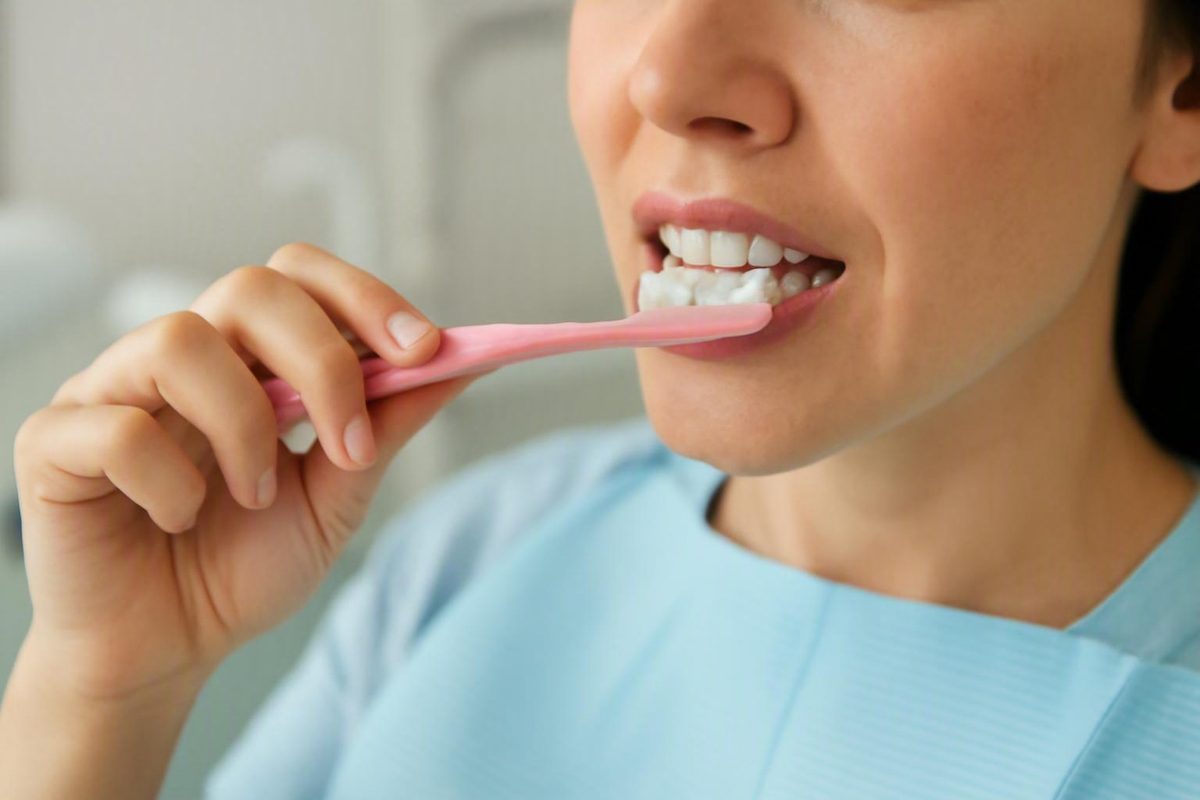
Yes. After a routine permanent filling, you can generally brush your teeth immediately or later the same day. Dandelion Dental, for example, says brushing and flossing may resume immediately, provided you clean gently around the treated tooth. See Dandelion Dental’s filling aftercare guidance.
There is not one universal waiting period for every patient. Some dental providers recommend waiting until anesthetic numbness has faded, while others say no delay is necessary. The available patient-facing evidence does not establish an exact number of hours that applies to everyone.
For routine same-day care:
- Use a soft-bristled toothbrush.
- Apply light pressure around the filled tooth.
- Clean the rest of your mouth normally.
- If numbness makes brushing difficult, waiting until sensation returns is a cautious option.
- Follow any instructions from the dentist who placed the filling.
If you do not know what kind of filling was placed—or whether it was permanent—call the dental office before relying on a general timetable.
General-information notice: Decay Guide is an independent dental-information publisher, not a dental practice. It does not examine patients, diagnose dental problems, provide treatment or give individualized advice. This article addresses general care after a routine permanent filling.
The evidence behind these recommendations consists mainly of dental-practice and commercial provider webpages rather than formal professional guidelines. “Brush immediately,” “brush this evening” and “wait until the numbness fades” should therefore be treated as cautious general guidance, not absolute rules.
A cautious brushing routine for the first day
The purpose of first-day caution is not to leave the filled tooth uncleaned. It is to remove plaque and debris without adding unnecessary discomfort to a tender tooth or irritated gum.
Use a soft-bristled toothbrush, fluoride toothpaste and gentle strokes. Aspen Dental’s patient guidance recommends those measures and advises brushing gently around the restoration after pain management or anesthesia has worn off. Review its filling aftercare recommendations.
A straightforward routine is:
- Prepare a soft-bristled toothbrush. Apply fluoride toothpaste as you normally would.
- Clean the unaffected teeth normally. One new filling is not a reason to abandon the rest of the brushing session.
- Reduce pressure near the treated tooth. Use gentle, controlled strokes around the restoration and nearby gum.
- Do not scrub a tender spot aggressively. Clean it carefully rather than trying to test the restoration with repeated pressure.
- Pay attention to the bite and surface. Note whether the tooth appears to meet first when you close your mouth or whether the filling feels distinctly rough or sharp.
Tenderness may make your usual brushing pressure uncomfortable. If that happens, ease the pressure rather than automatically skipping the tooth. The aim is ordinary cleaning, not polishing or stress-testing the new restoration.
Gentle technique is mainly intended to reduce irritation and discomfort. It does not mean that a routinely placed composite filling is expected to wash away when touched by toothpaste and soft bristles. Composite restorations are cured, shaped and smoothed during placement.
That reassurance is limited to a routine, properly placed permanent filling. If the restoration already feels loose, breaks visibly or appears damaged, stop testing it and contact the dental office.
The supplied evidence does not support a universal recommendation about using a powered toothbrush immediately after every kind of filling. Follow the treating dentist’s instructions if you have questions about a particular device.
Does numbness mean you have to wait?
Not necessarily.
The available dental-practice advice is inconsistent. Some providers recommend waiting for sensation to return before brushing. Highmoor Dental says brushing and flossing may resume without a delay, while separately recommending that patients wait for local anesthetic to wear off before eating. See Highmoor Dental’s aftercare advice.
For that reason, return of sensation is best understood as a cautious practical marker, not a universal medical requirement.
If you decide to brush before the numbness fades:
- Move slowly.
- Use less pressure than usual.
- Keep the brush controlled around the cheek, tongue and gum.
- Stop if reduced sensation makes careful cleaning difficult.
Do not assume that an absence of discomfort means greater pressure is appropriate.
Brushing and eating are separate questions. Advice to wait for numbness to resolve is more consistently associated with eating because chewing without normal sensation can result in accidental biting of the lip, tongue or cheek. Brushing is a controlled cleaning activity and does not automatically require the same delay.
Numbness also does not determine whether the restorative material has set. Anesthesia affects sensation; curing or setting depends on the material and how the dentist placed it.
If your appointment involved sedation, extensive anesthesia, an extraction, gum surgery, pulp-related treatment or another procedure, follow the instructions for the complete treatment. Routine filling advice cannot supply aftercare for those additional circumstances.
Composite versus amalgam: what the material changes
The principal material distinction in the supplied aftercare pages is between tooth-colored composite fillings and silver-colored amalgam fillings.
Composite fillings
Composite fillings are described as hardening during the appointment under a curing light. By the time the dentist finishes shaping and checking the restoration, the material has already been cured.
This is why patient-education pages commonly permit gentle same-day brushing after a routine composite filling. The tooth or nearby tissue may nevertheless remain tender, and local anesthesia may continue to affect the cheek, lip, tongue or gum.
Amalgam fillings
Amalgam is described as taking longer to set fully. In the available aftercare guidance, that distinction more clearly affects chewing—especially pressure from hard or sticky food—than light contact from a soft toothbrush.
One dental-practice article advises avoiding aggressive brushing around an amalgam filling until the next day, while allowing same-evening brushing in many cases and describing composites as immediately cured. This is limited practice-level guidance rather than a formal guideline. Read the material-specific advice from Turlock Dentist.
That limited recommendation does not establish a universal prohibition on brushing or flossing for a set number of hours after amalgam placement. A conservative approach is to:
- Clean the area gently.
- Avoid aggressive scrubbing.
- Follow the dentist’s instructions about chewing on that side.
- Ask the dental office if you do not know which material was placed.
A material’s setting time should not automatically be transferred from eating instructions to brushing instructions. Chewing hard food places different demands on a restoration than moving soft bristles gently across its surface.
These conclusions apply only to routine permanent composite and amalgam fillings. They should not be extended to temporary fillings, ceramic or gold restorations, crowns or teeth that received pulp-related treatment. The supplied evidence does not adequately establish aftercare for those situations.
Flossing beside a new filling
Flossing can generally continue on the same day as a routine permanent filling. Northgate Dental Centre’s patient guidance says there is no need to wait, while advising gentle brushing and careful flossing around the treated tooth. See its post-filling recommendations.
Move slowly if the nearby gum or tooth is tender. Do not repeatedly force floss through an area that does not feel normal.
Contact the dentist who placed the filling if the floss consistently:
- Cannot pass between the teeth
- Catches at the same point
- Shreds or tears
- Becomes trapped
- Encounters what feels like a sharp ledge
- Appears to move or break part of the restoration
Continue cleaning the rest of your teeth even if you pause beside the treated tooth while seeking advice. A new filling is not, by itself, a reason to stop routine oral hygiene throughout the mouth.
Do not apply same-day flossing guidance automatically to a temporary filling. Follow the specific instructions provided when temporary material was placed.
Brushing restrictions are not the same as eating restrictions
Filling aftercare often blends two different questions:
- When can the teeth be cleaned?
- When is it appropriate to chew?
The reasons for caution differ. Brushing involves light, controlled contact. Eating may involve repeated biting pressure, hard or sticky food, temperature exposure and numb soft tissues that can accidentally become caught between the teeth.
Waiting for anesthesia-related numbness to fade is more consistently recommended before eating because a person may bite the lips, cheek or tongue without realizing it.
Material can also affect chewing instructions. Composite fillings are described as setting immediately, while amalgam fillings take longer to harden fully. Dentists of Hinsdale Lake distinguishes between those materials and advises continued but careful brushing and flossing. Read its filling aftercare guide.
Some patient-education pages also recommend temporary caution with hard, sticky or chewy food. The suggested duration varies, and the supplied evidence does not support one universal timetable. Follow the instructions from the dentist who knows which material was placed.
Most importantly, a food-related restriction does not automatically create a brushing restriction of the same length. If you were told not to eat for a particular period but received no cleaning instructions, ask the treating office for clarification.
What soreness or sensitivity can occur after a filling
Mild, short-term tenderness or sensitivity may occur after a filling, although not everyone experiences it. Reported symptoms include:
- Tenderness while brushing near the tooth
- Sensitivity to hot or cold temperatures
- Discomfort from pressure
- Soreness in the adjacent gum
- Increased awareness of the tooth when biting
The supplied patient pages disagree substantially about duration, with estimates ranging from hours to several days or longer. That variation does not support a rigid deadline separating ordinary recovery from a complication.
It is more useful to monitor severity and direction. Mild discomfort that is gradually settling differs from pain that becomes stronger, turns sharp or throbbing, or occurs whenever the teeth meet in one particular spot. Denton Smiles Dentistry identifies persistent or worsening pain, bite pain, roughness, cracks, chips and throbbing as reasons to contact a dentist.
If the filled tooth seems to meet before the other teeth, or pressure on it repeatedly causes pain, the dentist may need to assess how the restoration contacts the opposing tooth.
Contact the dentist who placed the filling if symptoms are persistent, uncertain or not improving.
When to contact the dentist who placed the filling
Use the pattern and severity of symptoms rather than assuming that one exact number of hours separates ordinary recovery from a complication.
Contact the treating dentist if you notice:
- Severe or worsening pain
- Sharp or throbbing pain
- Swelling
- Sensitivity that is not improving
- Pain when biting or chewing
- A bite that feels uneven or too high
- A rough or sharp edge
- A filling that appears cracked or chipped
- A restoration that feels loose or otherwise damaged
- Floss that repeatedly catches, shreds or will not pass normally
These signs warrant professional assessment, but they do not prove a particular diagnosis. Pain after an arbitrary number of hours does not by itself establish that decay reached the pulp or that root-canal treatment is required.
If a filling feels high, sharp or damaged, do not attempt to grind, file or reshape it. Avoid repeatedly testing it by biting on hard food. Call the dental office and explain what you feel, when it occurs and whether it is improving. Lindsay Family Dental similarly advises follow-up for persistent sensitivity, chewing pain, an uneven bite or visible damage.
This article covers routine permanent fillings only.
Same-day checklist
- Brushing is generally acceptable after a routine permanent filling.
- Use a soft-bristled toothbrush, fluoride toothpaste and light pressure.
- Clean unaffected teeth normally and be gentle around the treated tooth.
- Floss carefully, but do not force floss that repeatedly catches or shreds.
- Treat brushing and eating as separate questions, particularly while numb.
- Follow the treating dentist’s material- and procedure-specific instructions.
- Contact the dentist for worsening pain, swelling, throbbing, an uneven bite, a sharp or rough edge or visible damage.
Decay Guide provides general information, not an individual diagnosis. A dentist who can examine the restoration is the appropriate person to decide whether a symptom or filling requires treatment.
Frequently asked questions
Can I brush my teeth the same evening after a filling?
Yes. Same-evening brushing is generally acceptable after a routine permanent filling. Use a soft-bristled brush and light pressure; if numbness makes brushing difficult, waiting for sensation to return is a cautious option. Dandelion Dental also permits immediate gentle brushing.
Can brushing loosen or damage a new filling?
Ordinary gentle brushing is not generally expected to loosen a properly placed permanent filling. Avoid aggressive scrubbing, and contact the dentist if the restoration already feels loose, cracked, sharp or damaged.
Do I have to wait until the numbness wears off before brushing?
Not universally. Some providers recommend waiting, while others permit immediate brushing. If you brush while numb, move slowly and use light pressure; waiting is reasonable if reduced sensation makes controlled cleaning difficult.
Can I floss next to a new filling on the same day?
Generally, yes. Floss carefully and stop forcing it if it repeatedly catches, shreds or cannot pass. Ask the treating dentist to check the area rather than trying to correct it yourself. Northgate Dental Centre supports same-day careful flossing.
What should I do if the filling feels high, rough, or sharp?
Contact the dentist who placed it. Do not try to file it or wear it down with hard food. Seek dental advice promptly if the sensation occurs with worsening pain, swelling, throbbing or visible cracking or chipping.